
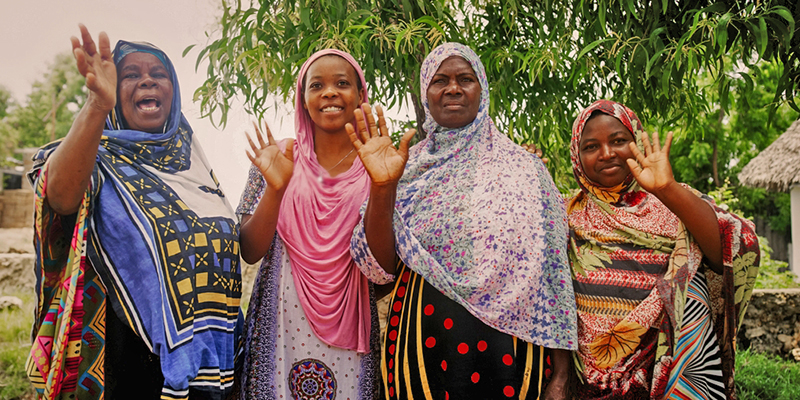
The Hunger Project's "Epicenter" Scale up Strategy in Ghana

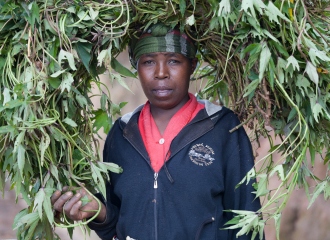
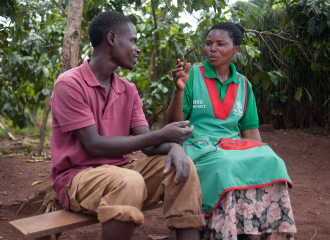
One of the greatest tragedies of extreme poverty is its intergenerational transmission. Poor, malnourished children do not develop normally, physically or cognitively; poor adolescents are unable to take proper advantage of educational opportunities and are more likely to engage in risky behaviors.  After generations of poverty, many families and communities cannot envision cooperation to break this cycle. The Hunger Project (THP) works towards tackling poverty in Africa by partnering with local people to establish community centers ("epicenters") offering a comprehensive range of services, from health and education, to agriculture, microfinance, water and sanitation, as well as fostering community spirit. This randomized evaluation of THP's multi-faceted program aims to assess the impact on the various outcomes it strives to improve.

Show Project Evaluation Details
Hide Project Evaluation Details

Researchers from Yale University and IPA have partnered with THP to evaluate the long term-impact of this strategy on health, nutrition, income, gender roles, social cohesion and education. The Hunger Project plans to cover the entire Eastern Region of Ghana, however it is neither feasible nor desirable to build all 112 centers at once. A lottery is conducted within each district to determine which of the 112 communities are offered a center in the first years (treatment group).  Communities that do not win the lottery for early invitation, the comparison group, may receive an invitation a few years later.  A pre-intervention baseline survey of approximately 4000 households with over 20,000 individuals was completed in 2008 and a follow-up survey of the same households will be launched in early 2013.  The longitudinal nature of the survey allows us to examine if the effects of the centers are sustained over time and whether or not the strategy is financially sustainable. Generally, these centers aim to be economically sustainable within 5 years.

Commitment Savings Accounts and Quitting Smoking in the Philippines

Can financial incentives work to help people quit smoking?  The CARES (Committed Action to Reduce and End Smoking) Program, creates a commitment contract that provides financial incentives for smokers who wish to quit smoking.  Smokers offered the product were more likely to be smoke-free 6 and 12 months afterwards!

Show Project Evaluation Details
Hide Project Evaluation Details

Policy Issue:

Despite detrimental effects, people throughout the world habitually engage in damaging or inefficient habits such as smoking, eating poorly or failing to save money. Experts believe that this is because people’s preferences change over time: in the long-run an individual may wish to quit smoking, for example, but in the moment their preference for a cigarette may outweigh their desire to quit. Such behavior, known as time inconsistent preferences, may help to explain why people make inefficient choices that result in poor health or a lack of financial cushioning. Some researchers theorize that habits that have negative long-term effects can be discouraged by giving people commitment devices: contracts which constrain their future behavior, and may exact a financial penalty if they revert to bad habits.

Context of the Evaluation: 

Despite its serious health effects, smoking is extremely commonplace in the Philippines. Smoking is also a considerable expense, with the average surveyed smoker spending approximately 100 pesos (US$2) per week on cigarettes, nearly 15% of their income. Even though it is a common behavior, 72% of survey respondents reported that they wanted to stop smoking at some point in their life, and nearly 46% indicated that they had tried to stop smoking within the last year. Survey responses suggest that their lack of success may be due to time inconsistent preferences: though 72% reported that they wanted to stop smoking at some point, only 17% of people said that they wanted to stop smoking now.

Details of the Intervention: 

Committed Action to Reduce and End Smoking (“CARES”) is a voluntary commitment savings program. The basic design of the product allows a smoker to deposit a self-selected amount of his own money that will be forfeited unless he passes a biochemical test of smoking cessation. To enroll people in the CARES program, the Green Bank identified regular smokers off the street and asked them if they wanted to participate in a short survey on smoking. All subjects received an informational pamphlet on the dangers of smoking, and a tip sheet on how to quit. After completing this baseline survey, subjects were randomly assigned to receive one of three offers:

  1. CARES with deposit collection: A minimum balance of 50 pesos (about US$1) was required to open a CARES account, and individuals were encouraged by marketers to deposit the money they would normally spend on cigarettes into this account each week. A random subset of this group also received weekly visits from deposit collectors, saving them the weekly trip to the bank. All CARES clients were able to deposit into, but not to withdraw from these accounts, and the accounts yielded no interest, to discourage non-smokers from using them as a substitute for normal savings accounts.
  2. Cue Cards: These individuals got to choose from among four wallet-sized cards depicting negative health consequences of smoking: premature babies, bad teeth, black lung or a child hooked up to a respirator. They were encouraged by the marketers to keep them in a prominent location.
  3. Comparison Group: These individuals received no additional information.

Six months after the baseline survey, all survey respondents took a urine test to determine if they were still smoking. Individuals in the CARES treatment groups would receive their entire balance back if they passed the test, but would forfeit it if they refused or did not take the test. Non-clients (those assigned to the cues and comparison groups) were paid 30 pesos (60 cents US) for taking the six-month test, and all respondents were paid 30 pesos for taking another test after 12 months.

Results and Policy Lessons:

In total, about 11% of individuals who were offered CARES signed a contract. Individuals who reported wanting to quit, being optimistic about quitting and who already exhibited strategic behavior to manage their cravings (i.e. avoiding situations that made them want to smoke) were more likely to sign a contract. On the other hand, individuals who reported wanting to quit more than a year in the future and who showed signs of being heavy smokers were less likely to sign a contract. Ninety percent of CARES clients opened with the minimum amount of 50 pesos, and 80% made additional contributions. The average client contributed about every two weeks, and had a final balance of around 553 pesos, equal to approximately six months worth of cigarette spending.

Individuals who were offered a CARES contract were 3 to 6 percentage points more likely to pass a urine test for nicotine after six months than those in the comparison group, a substantial effect considering that only 8 to 12 percent of comparison individuals passed the test. The effects of actually entering into a smoking-cessation contract are even larger: clients of the CARES program are estimated to be 30 to 65 percentage points more likely to pass their urine test after six months than their comparison group counterparts, suggesting that those who signed a CARES commitment increase their probability of test passage and a lasting quit spell by several fold.  These results were far above the reductions in smoking associated with the cue card treatment. However, it is still not known how much of the CARES treatment effect was due to the financial commitment that all clients made, and how much was due to the frequent contact that some clients had with deposit collectors.

Providing Sexual and Reproductive Health Advice via SMS in Uganda

In partnership with Grameen Foundation's AppLab, Google, Google.org, and MTN, IPA is examining the impact of a newly launched SMS-based health service. The service allows users to request reproductive and sexual health advice via SMS, as well as to query a directory of local clinics. The research project seeks to test the impact of the service on 1) knowledge of sexual and reproductive health, and 2) related behavior, both self-reported and observed (risky behavior, clinic visits, seeking preventive health services).

Show Project Evaluation Details
Hide Project Evaluation Details

The service is available to the whole population; the treatment takes the form of marketing in a random selection of trading centers.


Julian Jamison, Dean Karlan

Primary School Deworming in Kenya

Hundreds of millions of children worldwide are infected with parasitic worms. These worms are detrimental to children's health, their cognitive development, their education and their futures. Chronic illness caused by worm infections reduces literacy and adult productivity. 

Free deworming treatment substantially improved student attendance and health. The program also had significant "spillover" effects, improving health outcomes and attendance among students in neighboring primary schools. 

Including the spillover benefits of treatment, the cost of keeping a child in school one additional day is only US$0.02, which makes deworming considerably less expensive than any alternative method of increasing primary school participation.

Given the great success of this project, IPA is now working to Scale Up school-based deworming in partnership with Deworm the World.

Show Project Evaluation Details
Hide Project Evaluation Details

<--break->

Policy Issue

Intestinal helminths—including hookworm, roundworm, schistosomiasis and whipworm—infect more than one in four people worldwide and are particularly prevalent among school-aged children in developing countries. These intestinal worms are believed to have a negative impact on education, hindering child development as well as school attendance and reducing income later in life. These effects are especially pronounced in Africa, where nearly half of the total disease burden is due to infectious and parasitic diseases, including helminth infections. Existing randomized studies have focused primarily on the effects that these diseases have on cognitive performance, whereas outcomes of more direct interest to economists and policymakers—school attendance and enrollment, test scores, and ultimately, labor market outcomes—have yet to be thoroughly investigated.

Context of the Evaluation

Busia district is a poor and densely-settled farming region in western Kenya adjacent to Lake Victoria. Budalangi and Funyula divisions have some of the country’s highest helminth infection rates, in part due to the area’s proximity to Lake Victoria—schistosomiasis is easily contracted through contact with the contaminated lake water. Soil-transmitted helminths (STH), on the other hand, are transmitted through contact with or ingestion of fecal matter. This can occur, for example, if children do not have access to a latrine and instead defecate in the fields near their home or school, where they also play. One quarter of Kenyan student absenteeism is attributed to abdominal pains which likely due to intestinal helminth infections. In addition, older children may miss school to take care of siblings who are sick with helminth infections.

Details of the Intervention

This study evaluated the Primary School Deworming Project (PSDP), which was carried out by International Child Support in cooperation with the Busia District Ministry of Health. The program randomly divided 75 schools into three equal groups which were phased into treatment over three years.

Within each group, a baseline parasitological survey was administered to a random sample of pupils. Schools with worm prevalence over 50% were mass treated with deworming drugs every six months. Girls of reproductive age (thirteen and older) were not supposed to be treated due to concerns about the possibility of birth defects. Nonetheless, 19% of girls thirteen and older also received medical treatment, partly due to confusion about pupil age, and partly because several Kenyan public health nurses administered drugs to some older girls, judging the benefits to outweigh the risks. In addition to medicine, treatment schools received regular public health lectures, wall charts on worm prevention, and training for one designated teacher. The lectures and teacher training provided information on worm prevention behaviors—including washing hands before meals, wearing shoes and not swimming in the lake.

Results and Policy Lessons:

Impact on Infection Intensity: Deworming reduced serious worm infections by half amongst children in the treatment groups. Pupils that received treatment reported being sick significantly less often, had lower rates of severe anemia, and showed substantial height gains, averaging 0.5 centimeters.

Impact on School Attendance: Deworming increased school participation by at least 7 percentage points, which equates to a one-quarter reduction in school absenteeism. When younger children were dewormed, they attended school 15 more days per year, while older children attended approximately 10 more school days per year. The larger impact of treatment in lower grades may partially result from higher rates of infection among younger pupils.

Treatment Spillover: The entire community and those living up to 6 kilometers away from treatment schools benefited from “spillovers” of the deworming treatment. Spillover effects occur because medical treatment reduces the transmission of infections to other community members. Reductions in infection in non-treated children resulted in an additional 3 to 4 days of schooling per year. Although data was not collected on adults, it is also likely that older community members were able to work more days as a result of spillover effects.

No improvements in test scores were found as a result of the deworming. Additionally, evidence suggests that health education had a minimal impact on behavior, so that to the extent that the program improved health, it almost certainly did so through the effect of the medicines rather than through health education. Including the spillover benefits of treatment, the cost per additional year of school participation is US$3.27, considerably less than the cost of many alternative methods of increasing primary school participation.


Impact of Malaria Education on the Health of Microfinance Clients in Benin

Policy Issue:

Just as illness can keep a person from working or going to school, it can also cause microfinance recipients to fall back or default on loan payments. In some cases loan defaults are linked to illness, which consumes available cash and makes the victim unable to work. Community organizations and policy makers have therefore proposed including health education alongside microfinance services. As a complement to microfinance services, health education could potentially increase repayment rates for the microfinance institution (MFI), while also improving the lives of clients. Health education increases costs for MFIs, who must direct resources towards training loan officers as educators, and increase the time that loan officers spend at each village banking meeting where training is given. There is potential for benefit on measures of both health and microfinance outcomes, but if the additional trainings are ineffective, they could be drawing away an MFI’s resources away from its core activities.

Show Project Evaluation Details
Hide Project Evaluation Details

Context of the Evaluation:

Located in West Africa, Benin’s economy is based primarily on agriculture and regional trade. The rural population in Benin suffers from very poor health. Although WHO estimates suggest that 20% of children in Benin under the age of 5 sleep under insecticide treated bed nets – a proven defense against malaria contraction -  27% of deaths in children under 5 are nonetheless attributed to malaria.  There are a number of MFIs in Benin, and PADME represents a significant share of the market, serving approximately 44,000 borrowers out of an estimated 140,000 in the entire country.[1]

Description of Intervention:

In 2006, Freedom from Hunger launched the Microfinance and Health Protection (MAHP) initiative in rural Benin to help local MFI partners create and sustain key health services that complement their credit offering. This evaluation seeks to test the impact of providing credit with education on health and microfinance indicators, as well as the impact of combining education with the provision of health care products, and the specific aspects of the solidarity lending design.

In Benin, researchers will work with PADME to introduce the health education intervention to half of the villages they serve.  PADME typically markets their services by reaching out both to community leaders and individuals who may be interested in taking out loans, which vary in size with an average amount of nearly $1000 US.[2]  In the villages randomly assigned to receive the intervention, clients will be offered access to credit as well as health education.  In the comparison villages, potential clients will only be offered access to credit.  . The health education will consist of three modules: malaria education, integrated management of childhood diseases, and HIV/AIDS planning. An additional component of the study seeks to better understand the role of gender in microfinance.  In addition to the random assignment of health education services, researchers will also designate villages according to the gender composition of new borrowing groups.   In a random subset of villages, microfinance groups will be mixed-gender, while others will be female only.


Results and Policy Lessons:

Results forthcoming.


[2] http://www.accion.org/Page.aspx?pid=659

Health Education for Microcredit Clients in Peru

Policy Issue:

Health and education are areas affected by poverty.  Households with limited resources face barriers affording quality education and seeking access to health information.  As microfinance has become a popular development tool, its services have expanded to address other issues associated with poverty.   Credit with Education is one model that provides microfinance clients with training services. By simultaneously addressing needs for financial services and health information, these programs attempt to create synergistic positive effects on clients and their families.

Show Project Evaluation Details
Hide Project Evaluation Details

Context:

Peru is a developing country rife with healthcare challenges. According to the World Health Organization, children have a 25% chance of dying before reaching the age of 5[1]. A lack of knowledge about preventable illness like diarrhea and access to immunization contributes to poor health status of vulnerable families.

PRISMA,  a microfinance institution lending to over 20,000 clients, partnered with IPA to provide microfinance with health education[2].  Freedom from Hunger, an NGO that provides supportive services for the poor, provided guidance to PRISMA in developing an education program based on its worldwide Credit with Education module.


Description of Intervention:

PRISMA village banks were randomly assigned to either a treatment or comparison group. During eight monthly bank meetings, villagers belonging to treatment banks received health education trainings from loan officers, trained by Freedom from Hunger and PRISMA.  The trainings included the following topics focusing on child and maternal health: common childhood illnesses, four danger signals (e.g. diarrhea, cough, fever), medical exams, indicators of quality medical visits, and care for sick children. Surveys administered before and after the trainings collected data on height, weight and hemoglobin ( to measure anemia), days absent from work due to illness, and child nutrition patterns. Institutional outcomes like client retention and repayment rates were also measured.


Results and Policy Lessons:

Adults who received the health education training had significantly higher levels of knowledge of module content than those in the comparison group.   There was no impact on health outcomes for children or institutional outcomes.


[1]World Health Organization, “Peru,” http://www.who.int/countries/per/en/.

[2]Prisma, “Microfinanzas, ” http://www.prisma.org.pe/#cabecera.

Dean Karlan

Demand for Hospital Insurance in the Philippines

We partner with Green Bank to assess the demand for hospital insurance among microfinance clients.  Green Bank offered the insurance to clients at randomly assigned premiums.  By observing the take-up rates at different prices, we can measure the price sensitivity.   We also collect an extensive data on demographics and risk characteristics of the individuals in the sample, which allows for an examination of adverse selection in the insurance market (risky individuals are less price sensitive than risk-adverse individuals).

Show Project Evaluation Details
Hide Project Evaluation Details

The impact of information asymmetries on insurance markets is important in theory but ambiguous in practice.  Generations of studies have failed to produce a consensus on the presence, absence, or magnitude of adverse selection and moral hazard in most markets.   While an increasing number of microfinance institutions offer insurance products to their clients as an add-on, there are few empirical studies on the impact of expanding access to health or hospitalization insurance in developing country contexts.

The sample of our study includes 2,036 existing clients under the Green Bank's individual-lending program (TREES) in 10 branches of Northern Mindanao and Caraga regions. 

Credit with Health Insurance: Evidence from the Philippines

The addition of health insurance to microcredit products is increasingly popular; but is it sustainable for microfinance institutions? This study complements other IPA research on hospitalization insurance in the Philippines and should provide important policy lessons on providing public services. We partner with Green Bank to evaluate the impact of providing access to the national health insurance program (PhilHealth) among microfinance clients.  Anecdotal evidence from Green Bank field staff suggests that illness among clients and their families is one of the biggest causes of delinquency.  The PhilHealth program offers an opportunity to reduce clients' vulnerability to unexpected health shocks. 

Show Project Evaluation Details
Hide Project Evaluation Details

Policy Issue:

Health shocks, such as illness or injury, have the potential to cause significant financial strain for low income households, possibly contributing to late payment or default among microcredit borrowers. Insurance could protect households from health shocks, but is unavailable to many in developing countries. High transaction costs and information problems complicate efforts to offer health insurance in a cost-effective way. There is also potential for moral hazard: once clients become insured, they may be less inclined to care for their health. Adverse selection may also occur, as clients predisposed to sickness may be those most willing to purchase insurance, dampening the profitability of insurers. But research has failed to produce a consensus on the impact of adverse selection and moral hazard for insurers in the developing world. How will these impact the market for health insurance? And how will health insurance impact the lives of microcredit clients?

Context of the Evaluation: 

The majority of residents in the Visayas and Northern Mindanao regions of the Philippines live in small towns and rural villages. A large for-profit bank, The Green Bank of Caraga, has been a strong presence in these regions for the past decade. The majority of microfinance clients they service engage in small-scale sales or work as tailors, drivers of local transport, and operators of bakeshops and roadside eateries. Anecdotal information suggests that health shocks are a leading cause of default and drop-out among their clients. Most of the respondents in this study reported that their ability work or do related productive activities was restricted at least some of the time.

Details of the Intervention: 

Researchers worked with the health insurer Philippine Health Insurance Corporation (PhilHealth), which offers the KaSAPI program to help organizations such as microfinance institutions provide affordable health insurance to their members. KaSAPI provided information about the availability and benefits of the insurance to microfinance clients through a marketing campaign. Bank clients were able to use existing savings or loan proceeds to pay for the insurance premium of 300 Philippine Pesos (approximately US$6) per quarter.

Clients were randomly assigned to compulsory insurance, voluntary insurance, or no insurance to serve as a comparison. For clients in the voluntary treatment group, loan officers presented the schedule of PhilHealth benefits and explained that the bank was offering KaSAPI as an optional service for its clients. Premiums were deducted from the loan proceeds. For clients in the compulsory treatment group, loan officers presented PhilHealth materials but also explained that PhilHealth was now a requirement to continue participating in the lending program. Clients’ loans in compulsory PhilHealth treatment group were not released unless they agreed to the premium deduction from their loan proceeds.

End line surveys will establish whether access to health insurance increased risk-taking behavior, if it improved the health status of beneficiaries and if formal insurance crowded out informal insurance arrangements. Evidence will also reveal how health insurance affected institutional outcomes such as profit, client retention, and default.

Communal Sanitation Solutions for Urban Slums in Orissa, India

Can improved toilet facilities, combined with innovative accountability systems for maintenance, increase the use of community toilets in urban India?

Policy Questions:

In densely populated and rapidly growing countries, severe space constraints, poor utilities infrastructure, and temporary housing construction can render private household sanitation facilities infeasible. Improving communal toilets, which serve entire neighborhoods, may be a more feasible way to improve sanitation, health and well-being in such densely populated areas. However, these kinds of facilities face their own set of problems. Because the benefits of cleaner facilities extend beyond the individual, people may be unwilling to help with repair and maintenance. When the toilets then fall into disrepair, people often revert to open defecation, leading communal toilets to be abandoned. Can innovative systems of facility management help overcome these “collective action” problems and make communal toilets a sustainable option in urban slums?

Show Project Evaluation Details
Hide Project Evaluation Details
Evaluation Context:

In the slums of Bhubaneswar and Cuttack in India, almost 45 percent of households use either public toilets, which are meant for a rotating population in commercial areas, or communal toilets, which serve a fixed residential population. However, the condition of these facilities is very poor. A preliminary survey showed that 53 percent of these toilets were either “dirty” or “very dirty”, and one in six facilities was completely non-functional. Households who were dissatisfied with the cleanliness of their community’s toilets were more likely to practice open defecation, and almost 30 percent of households reported doing so. Qualitative research suggests that these poor conditions may be caused by weak systems of accountability for toilet maintenance and repair.

Details of the Intervention:

This program sought to improve the physical infrastructure of community and public toilets, as well as to improve the associated management systems in order to ensure long-term maintenance. The physical infrastructure of a set of existing community toilets and a smaller set of existing public toilets will be updated to ensure that all have an adequate number of gender-separated toilets and washbasins; sufficient lighting and ventilation; and enough water for all services. A set of new toilets will also be constructed to these standards. A randomly chosen subset of both the community and public toilets will also be given enhanced, infrastructure, such as a space for bathing. Half of the improved community and public toilets, including both those with and without the enhanced infrastructure, will be randomly selected to be maintained by a private firm, while the remainder will be managed by the community according to a “constitution” that specifies responsibilities and rights.

In order to identify a solution that will produce the most attractive, sustainable and hygienic alternatives to open defecation for slum residents, researchers will test a variety of complementary household-level interventions, such as discount coupons for shared facilities and varying the pricing structure (monthly passes vs. pay-per-use). Researchers will also conduct a program of demand generation activities in a subset of communities around community and public facilities. These activities will be used to help communities notice the problems associated with open defecation and develop community cohesion to sanction it.

Researchers will collect data to measure take-up and maintenance of sanitation facilities over the life of the program. Household surveys will be used to examine satisfaction with the facilities, instances of diarrheal disease, and differential access within the household.

Results & Policy Lessons:

Project ongoing, results forthcoming.

Recruiting and Motivating Community Health Workers in Zambia


Policy Issue:

Community health workers (CHWs) are commonly regarded as a potential solution to the shortage of formal health workers throughout sub-Saharan Africa. Recruited from their communities, trained, and then deployed back to their communities, it is thought that CHWs are more likely to have the necessary relationships, local knowledge, and sense of community responsibility to deliver health services to underserved populations in rural areas, where retention of formal health workers is a perennial challenge.

While small-scale, informal CHW programs have existed for many years, recently many countries in sub-Saharan Africa have sought to formalize the CHW cadre and implement national CHW programs at scale. Little is known, however, about how to carry out this process effectively. In particular, there is a dearth of evidence on two fundamental questions: Who are the ‘right’ people within communities to become CHWs, and how can incentives be used to motivate CHWs to the highest performance levels? Recruiting the best workers and motivating them effectively are critical for ensuring low turnover and high performance of a national CHW workforce.

Show Project Evaluation Details
Hide Project Evaluation Details

Context of the Evaluation:

In 2010, the Government of Zambia announced a new national Community Health Worker Strategy that will aim to train 5,000 new CHWs by 2015—a massive investment in a country with only 6,000 nurses. These community health workers will undergo a year of formal training, and will then be posted back to their rural communities, where it is envisioned that they will do most of their work directly within the community, rather than operating from a health facility. The national strategy intends that CHWs will be the first line of health care for Zambians living in the most remote regions of the country.

Before launching the full strategy, the Government of Zambia is implementing a pilot study involving the recruitment, training, and deployment of 315 community health workers across 48 rural districts to examine the most successful methods of recruiting and compensating CHWs.

Description of Intervention:

To examine the selection of community health workers, two recruitment treatments will be used in the pilot study, which will vary in the way in which the job opportunity is framed. In a randomly selected half of the 48 participating districts, recruitment messages will emphasize the “community” benefits of becoming a CHW, such as serving and being a leader in one’s community. In the other half, recruitment efforts will emphasize the “career” benefits of becoming a CHW, such as opportunities for promotion or further professional development. The hypothesis of this experiment is that the recruitment treatments will select for CHWs who possess different characteristics and motivations, and those differences may predict long-term retention and performance. 

Furthermore, in collaboration with the Government of Zambia, researchers are refining a set of incentive schemes that will be tested in order to understand how they affect CHW motivation and performance. It is expected that the final schemes will focus on non-monetary incentives, such as providing CHWs with professional feedback, social recognition, and career advancement opportunities. By randomly allocating the same 48 districts to receive different incentives, the project will be able to test both the overall effects of different reward schemes as well as how the schemes interact with the manner in which CHWs were recruited.

The immediate goal of this study is to provide practical guidance to the Government of Zambia as it prepares to implement the full national CHW strategy. More broadly, this study will give insight to governments and policy makers on how various sources of social recognition (e.g., from government, peers, or the community) and methods of performance feedback (e.g., absolute or relative) can affect the recruitment and motivations of health workers, in ways that potentially predict job performance.

Results and Policy Lessons:

Results forthcoming.


Incentivizing Safe Sex in Rural Tanzania

Researchers examined whether making cash payments conditional on testing negative for sexually transmitted infections (STIs) can improve safe sex practices among 18-30 year olds. Results reveal that giving cash payments of US$20, conditional on testing negative for sexually transmitted diseases, significantly reduced STI infection rates among young adults in Tanzania.

Show Project Evaluation Details
Hide Project Evaluation Details
Policy Issue:


In 2009, approximately 2.8 million people were newly infected with HIV/AIDS, but it is estimated that only 40 percent of this population is receiving treatment. The extraordinarily high social and economic costs of the current HIV and AIDS crisis suggest that prevention may be far cheaper than treatment. However, existing prevention strategies, such as large-scale behavior change interventions, have had a limited impact on the HIV/AIDS infection rate. Conditional cash transfers (CCTs) have been used in a variety of settings as a means of incentivizing socially desirable behavioral change such as school enrollment or attending at preventive healthcare check-ups. Can CCTs be used to prevent people from engaging in unsafe sex?

Context of the Evaluation:

While the rate of HIV new infection has decreased substantially over the past decade, HIV/AIDS is still a major problem, particularly in sub-Saharan Africa, which bears an inordinate share of the global HIV burden. In Tanzania, where new incidences of HIV have declined over the past five years, 5.6 percent of the population is still infected with HIV/AIDS. Tanzania’s neighbors to the south have fared far worse - Angola, Botswana, Lesotho, Malawi, Mozambique, Namibia, South Africa, Swaziland, Zambia, and Zimbabwe are home to 34 percent of the global population living with HIV, and experienced 31 percent of all new HIV infections in 2009.[i] Effective policies to encourage preventive behavior are desperately needed in this area.

Description of the Intervention:

Researchers examined whether making cash payments conditional on testing negative for sexually transmitted infections (STIs) can improve safe sex practices among 18-30 year olds.

In the spring of 2009, 2409 individuals were randomly selected from the Ifakara Health and Demographic Surveillance System sample and then assigned to either a treatment group, where they would receive a periodic cash grant if they tested negative for STIs, or a comparison group. Participants in the treatment group were then randomly allocated into one of two sub-treatments: low-value vs. high-value CCTs. In the end, 1,124 participants were assigned to the comparison group; 660 were assigned to receive the low-value CCT of approximately US$10 per testing round; and 615 were assigned to receive the high-value CCT of US$20 per testing round.

All participants were tested for STIs at baseline and then every 4 months for one year. Participants in the two treatment arms were eligible to receive the cash transfer payment at each testing round if they tested negative for a set of curable STIs. The STIs tested were chlamydia, gonorrhea, trichomonas, and M. genitalium; all of these diseases are transmitted through unprotected sexual contact and therefore served as a proxy for risky sexual behavior and vulnerability to HIV infection. HIV testing was conducted at baseline and at month 12, but payments were not conditioned on those results because of local sensitivities.

Individuals in the treatment arms who tested positive for any of the curable STIs did not receive the conditional cash transfer but were eligible to continue in subsequent rounds after having been treated and cured of the infection. Anyone who tested positive for a STI, in either the comparison or treatment groups, was offered counseling and free STI treatment through health facilities of the district Ministry of Health.

Results and Policy Lessons:

After four and eight months in the program, there was no significant difference in the STI infection rate between either of the treatment groups and the comparison group. However, by month twelve, the high-value cash transfer led to a significant reduction in STI infection. Between month four and month twelve, the number of people testing positive for STI in the high-value conditional cash transfer arm decreased by 19 percent. In contrast, during the same time period, the number of STI-positive individuals increased by 19 percent in the low-value conditional cash transfer arm and by 13 percent in the comparison group.

The absence of significant impacts after four and eight months suggests that the impact of the conditional cash transfer may take time to materialize, perhaps because it is not easy to extricate oneself from complicated sexual relationships, or perhaps because participants needed time to become accustomed to (and trust) the incentive mechanism.


[i] UNAIDS (2010) “UNAIDS Report on the Global AIDS Epidemic.”

Jonathan Robinson

The Role of Incentives in the Distribution of Public Goods in Zambia

Policy Issue:

Non-profit and public organizations increasingly rely on the services of community members to deliver and promote health goods. Community member involvement in the distribution of health goods can have significant benefits for the community at large, but only if the commitment and motivation of the community members is sustainable. While there is a significant literature on the role of incentives in the commercial sphere, there is little evidence on how various compensation schemes affect motivation when a task has a social benefit. Standard financial incentives that increase motivation in the commercial sphere may actually crowd-out intrinsic motivation for socially beneficial tasks, which may reduce overall performance. Alternatively, financial incentives may have little impact on performance if individuals drawn to mission-driven organizations place little weight on financial gains. Thus, the question of how to compensate community agents remains a challenge for many non-profit employers who hope to leverage this valuable community resource.

Show Project Evaluation Details
Hide Project Evaluation Details
Context:

Zambia has one of the world’s highest adult HIV prevalence rates at 14.3 percent. It is estimated that in 2009, 1 million Zambians were living with HIV and 45,000 died of HIV related causes. Although male and female condoms are currently the only protection methods available for HIV, condom use is low and its social acceptability remains problematic. The female condom may be particularly important in the public health community, as it is the only female-controlled tool for HIV/AIDS and other STI prevention. However, like many new technologies, a lack of information about correct use, commonly held misconceptions about the product, and insufficient distribution networks hinder uptake and use of the female condom. This evaluation seeks to investigate the use of hair stylists as private sector channels for the distribution of female condoms.

Description of Intervention:

Researchers partnered with Society for Family Health (SFH) to evaluate their female condom distribution program in Lusaka. SFH’s strategy uses social marketing to promote and distribute health products via community-based agents with connections to the local community. In this case, the community agents were hairdressers and barbers in Lusaka, who were asked to promote female condoms through their shops. Hairstylists were identified as ideal promoters of female condoms both because the familiarity between the stylist and the client creates the potential for successful targeting of female condom to “at risk” customers, and because during the period that a client is in the salon, he or she is a captive audience, allowing the stylist to provide information about the condom.

The study testedthe effect of both financial and non-financial rewards on the selection and performance of agents engaged in promoting female condoms by randomly assigning 1,222 hair stylists to one of four groups:

  1. Small financial rewardtreatment - Individuals received ZMK50 (US$0.01) for each condom pack sold.
  2. Large financial reward treatment- Individuals received ZMK450 (US$0.09) for each condom pack sold.
  3. Non-monetary rewards (Stars) treatment- Individuals received a star for each condom pack sold. Each stylist was provided with a thermometer, akin to those used in charitable fundraisers, which they were instructed to post in a visible location in the salon. Each sale was rewarded with a stamp on the thermometer. In addition, stylists who sold more than 216 packs in a period of one year were invited to a special ceremony at SFH headquarters.
  4. Comparison Group- This group received no incentives, financial or otherwise.

Several key features served to identify the effect of different incentive schemes on performance and the underlying mechanisms: (1) Information was collected on all agents who could have applied for the job, to test whether different incentive contracts attract different agents type; (2) Agents’ performance was measured monthly over a one year horizon, to test whether changes in behavior may be due to a novelty effect; and (3) A modified altruism (dictator) game yielded direct and quantitative measure of the agents’ motivation for the cause, and tested whether financial incentives reduced performance by crowding out intrinsic motivation.

Results:

Condom Sales:Non-financial incentives were the most effective at generating female condom sales. Hair stylists in the “star” treatment sold twice as many packs of condoms (14 vs 7) as agents in any other group. In other words, the likelihood of selling at least one pack was 12 percentage points higher for agents in the star treatment; this represents a 33 percent increase over the mean of the control group. Agents in the high and low financial reward treatments, in contrast, were not more likely to sell at least one pack than agents in the control group. However, the sales levels overall were generally low. Even in the star treatment, the average promoter sold slightly more than one pack per month.

Mechanisms of impact: Further analysis indicates that the non-financial incentives operated through two channels. First, non-financial incentives seemed to leverage intrinsic motivation for the cause - they were more than twice as effective for stylists who are motivated by the cause, as measured both by their donation in the altruism game and by personal characteristics correlated with motivation. Second, non-financial incentives appear to have facilitated social comparison among stylists - the impact of the incentives increased with the number of neighboring salons that received the same treatment.

Contrary to existing evidence, researchers found no evidence that financial incentives crowded out intrinsic motivation. On the contrary, high financial rewards were more effective for agents who scored higher on our motivation measure.

Negotiating a Better Future: The Impact of Teaching Negotiation Skills on Girls' Health and Educational Outcomes

Policy Issue: 

When young girls struggle to stay in school, they risk not being able to develop the skills necessary to support themselves, and relying on male partners for resources who oftentimes demand sex in return.  Such relationships are prevalent across sub-Saharan Africa, leaving young girls highly vulnerable to HIV infection and unwanted pregnancy, evidenced by the two-to-one ratio of HIV rates among young women versus their male counterparts. [1] The World Health Organization has identified negotiation skills for women and expanded efforts to keep girls in school as critical tools for reducing HIV rates among women in Sub-Saharan Africa. [2] Designing school curriculum to provide girls with a stronger education and new skill sets has the potential to change gender dynamics and improve health outcomes for this vulnerable population.

Show Project Evaluation Details
Hide Project Evaluation Details
Context of the Evaluation: 

School data for Zambia shows a dramatic decline in female enrollment from primary to secondary school years.[3]  While this drop is normally attributed to the commencement of school fees in the eighth grade, a closer look reveals that school dropout rate increases start prior to the fee increase. In grade five, the drop-out rate is three times higher for girls than boys. [4]

This project tests the impact of negotiation training in addition to the current school curricula on HIV/AIDS, health, and education outcomes among Zambian girls. Through a randomized controlled trial, this study analyzes whether negotiation skills that allow a girl to reshape her understanding of a conflict and her communications with others, can ultimately result in more favorable resource allocations.

Details of the Intervention: 

This study isolates the impact of teaching information versus teaching negotiation by layering two interventions on top of a “social capital” program, including time with other girls in a safe space.

About 2,400 grade eight girls from across 20 schools in Lusaka will be randomly assigned to participate in one of three two-week programs.  About 120 girls will be engaged per school, with roughly 40 girls in each program:

  • Social capital: girls meet after school to play games; receive  a snack notebooks, and pens
  • Information: girls meet after school to learn information on HIV and importance of schooling and to play games, also receive a snack, notebooks, and pens
  • Negotiation plus information: girls receive above program plus negotiation training

The Negotiation Curriculum, summarized in the graphic below, is structured by four principles: “Me”, or identifying one’s own interests and options in conflict situations; “You”, or identifying the other person’s interests, needs, and perspective; “Together”, or identifying shared interests and small trades; and “Build”, or developing win-win solutions.  The curriculum also accounts for some negotiations in which it is necessary to be patient, or “Take 5”, and others in which the only outcome to keep the girl safe and healthy is to walk away and not negotiate.

 Outcome measures will measure both the size and source of impact, capturing transformations in the girl’s capabilities, her interactions with others, and the outcomes of those interactions:

  • Survey data: Self-perception, outcomes of arguments and discussion, reported locus of control, intra-household allocations, and sexual risk exposure. Impact on the family measured through parent and sibling surveys to see if gains in participant well-being come at the expense of other family members.
  • Real outcomes (administrative data from schools): Rates of pregnancy, school attendance and advancement, and potentially STI/HIV rates
  • Behavioral measures: Take-up of an additional opportunity that requires child-parent negotiation, altered willingness to pay for schooling by parents, responses to negotiation scenario or partner game.

For information about this project, click here


Results: 

Results forthcoming.  If successful, this program curriculum could be scaled up countrywide in partnership with the Ministry of Education to increase schooling attainment and lower HIV infections at a relatively low cost.


[1] (UNAIDS (2010) "UNAIDS report on the global AIDS epidemic" p.183)

[2] WHO's Gender, Inequalities, and Health (2009): http://www.who.int/gender/hiv_aids/en/

[3]UNICEF (2011) "State of the World's Children." p.107

[4]Zambia DHS 2007, p. 21


Nava Ashraf

Improving Health Service Delivery Through Community Monitoring and Non-Financial Awards

Policy Issue:

In many developing countries, the health sector suffers from a severe human resources problem due to staff shortages and absenteeism. The availability of health care workers is a crucial element of quality care and the existing high levels of absenteeism represent a major leakage in health sector resources. Policy-makers have focused their attention on performance-based financing to incentivize attendance and performance monetarily; however, the evidence on the impact of financial incentives in improving performance in the health sector is mixed. While some programs report positive results, others show little to no effect on attendance and outcomes.

In contrast, recent results have highlighted the power of non-financial incentives to reduce absenteeism and improve performance.  Evidence suggests that peer recognition and status-based incentives can be more motivational, less expensive and less likely to erode intrinsic motivation.[1]  In addition, another study implementing a community monitoring initiative in Uganda, in which community members and health workers jointly addressed obstacles to adequate healthcare provision. The study found that under-five mortality was 33 percent lower in treatment compared to comparison communities a year later, while utilization for general outpatient services was 20 percent higher.[2]

Yet, the finding that non-financial incentives such as community monitoring improve clinic performance leaves a crucial question unanswered: does community monitoring improve clinic performance because it is a bottom-up intervention which makes clinic personnel socially accountable to their immediate neighbors? Or does it work simply because clinic performance is being monitored and evaluated? The answer to this question is important as top-down monitoring may be potentially cheaper and more efficient than bottom-up monitoring; however, data on this crucial question is lacking.

Show Project Evaluation Details
Hide Project Evaluation Details
Context of the Evaluation:

Sierra Leone’s health indicators are among the lowest in the world, and the country’s health system is plagued by such chronic worker absenteeism, resulting in part from a lack of accountability between service providers and patients, and the weak incentives healthworkers face. Alongside a national decentralization program introduced in 2004, the Government of Sierra Leone launched an ambitious policy in 2010 to institute free healthcare for pregnant women, new mothers and children under-five. The policy abolished user fees, while at the same time raising workers’ salaries. However, these reforms occurred without introducing institutional features to improve oversight of health workers or changing underlying incentive systems, leaving the health sector at risk of further weakening in response to rising demand for free health services.

Details of the Intervention:

This project evaluates two social accountability interventions aimed at improving health service delivery via community monitoring and the introduction of an incentive scheme to reward worker performance on the basis of non-financial awards. The 254 clinics taking part in the study have been assigned to participate in either intervention or act as a comparison, with one third of clinics allocated to each group.

The community monitoring intervention introduces health scorecards that provide information regarding the state of health care in each community, and facilitates interface meetings between community members and health facility staff. During these meetings, information about the state of healthcare is disseminated via a community scorecard and mutual commitments are made to improve services through a joint action plan addressing areas such as staff absenteeism, maternal mortality and vaccination rates. This framework aims to ensure participatory decision-making and hold both healthcare workers and the community mutually accountable, fostering increased access to and utilization of maternal and child health services. Researchers evaluate whether service quality and quantity improve due to the lower costs of collective action introduced through these meetings and the social accountability contract.  

The second intervention, non-financial incentives,facilitates a yardstick competition among groups of maternal and child health clinics, and rewards workers at the most improved facilities. The relative rankings of clinics on key measures of such as worker absenteeism, staff attitude and charging of illegal fees will be advertised publicly, and staff at winning clinics will receive letters of commendation from high-ranking politicians, and an award at a public ceremony.

The project is being conducted in partnership with the Government of Sierra Leone and the interventions have been designed with a self-sustainable model for scale-up through the Ministry of Health and Sanitation in mind. Researchers will assess the cost-effectiveness of each intervention, as well as their cost-effectiveness relative to one another, and findings will directly inform the government’s decision to scale up these interventions in future years.

Results:

Results forthcoming


[1]Ashraf, Nava, Oriana Bandiera, and Kelsey Jack. "No Margin, No Mission? A Field Experiment on Incentives for Pro-Social Tasks." Harvard Business School Working Paper, No. 12-008, August 2011.

The Latrine Training Mat Project

In many countries, sanitation facilities, such as simple pit latrines are common and are helpful for maintaining sanitation and preventing illness. However, young children often continue to defecate in the open long after they are old enough to use the latrine finding open pit latrines intimidating and challenging to use. Innovations for Poverty Action has developed a simple, affordable, and scalable tool called the Safe Squat ™ latrine training mat for use in such contexts. Our training mat promotes good sanitation practices from an early age and fosters a life-long habit of latrine use by converting the latrine floor into a child-friendly, easy-to-clean surface.  The Latrine Training Mat Project has piloted several prototypes of the mat in rural Western Kenya with promising results and is currently working to pilot the tool in new locations. 

Show Project Evaluation Details
Hide Project Evaluation Details
Policy Issue:

The World Health Organization estimates that 1.5 million children die each year from diarrheal disease.[1] Evidence demonstrates that families using latrines are less likely to have children with diarrhea than those who dispose of feces improperly, in the trash, or in the open near the household. .[2] However, access to a latrine is not enough to ensure safe disposal of children’s feces. Young children, particularly those under the age of five, often do not use latrines even when they have consistent access to one.[3]Latrines, often simple pits in the ground, can be difficult for young children to use, discouraging proper sanitation practices.

Evaluation Context:

Among world regions, Sub-Saharan Africa has the highest proportion of basic sanitation use, including open pit latrines (without a slab or platform), bucket latrines, hanging latrines, pour flush latrines that are not connected to a sewage system, and open defecation. Open pit latrines without a slab or platform can be particularly intimidating and challenging for children to use.  Based on a series of in-depth interviews with mothers in rural Western Kenya, IPA found that children defecate in the open long after they might be capable of using a latrine for two main reasons.  First, the hole of a pit latrine is often wide enough to frighten a small child, if not pose a serious safety risk.  Secondly, mothers are reluctant to promote latrine use for young children, since the messes they create make the latrine unpleasant for other families to use.  Ironically, frequent cleaning of the latrine floor can exacerbate the problem, as the size of the hole grows when the floor is scrubbed and the mud erodes away.

Description of the Intervention

IPA has designed a latrine training mat (LTM) called the Safe Squat ™  that is a flat, square slab made of plastic or treated wood, approximately 60 cm across with a tapered hole about 13cm wide at the center. It is elevated a few centimeters from the ground on risers and temporarily fits over the existing latrine hole.  The Safe Squat ™ training mat is designed to safely promote good sanitation practices from an early age, while saving mothers valuable time that might otherwise have been spent cleaning the latrine or disposing of feces.

IPA piloted the mat among two villages in Matungu District of Western Kenya.  Three prototypes were designed and tested among 12 households (six from each village). The prototypes were made of treated wood, temporary plastic, or permanent plastic, with the objective of determining the most acceptable material and design for the mat.  Both wooden and temporary plastic models were designed solely for children, and could be placed on and off the hole as needed. The permanent plastic mat was designed for the whole family to use, but the hole in the center of the mat was approximately 5 cm wider than the other two prototypes.  Data collected was qualitative in nature, consisting of in depth interviews and focus group discussions. This type of data collection assured a detailed and nuanced understanding of the participant’s experience with the latrine training mat. Following an in depth interview regarding her child’s defecation practices, mothers from each household received one of the three mat prototypes, and agreed to use the training mat with her child for at least one week. Researchers used the Trials of Improved Practice (TIP) methodology to assess whether the method of intervention delivery would influence the way in which the intervention was used and tested the intervention presentation in two ways.   In the first village, field officers merely explained that the mat was a sanitation tool to help young children use the latrine. In the second village, participants received the mat along with a detailed description of its main features, as well as explicit instructions on how the mat should be cleaned and stored.

Results:

Pilot Results:

The mat was well received by intervention participants in the Kenya based pilot.  The mothers that participated in the pilot reported that they liked the tool, and reported that it saved valuable time otherwise spent cleaning the latrine, or disposing of feces. They also reported that their children liked and used the mats regularly, and that other household members approved of the tool as well. Although pilot households preferred the permanent plastic mats for the whole family’s convenience, the temporary plastic mat remained the most acceptable choice for children under the age of five. There were no observed differences in mat use, between the village that received messaging, as opposed to the one that did not.  Based on these promising results, the Latrine Training Mat Project plans to conduct future pilots in new countries. If future pilots are successful, the Latrine Training Mat Project hopes to test the mats as part of a larger randomized controlled trial. 


[1]World Health Organization. “Diarrhoeal Disease” Fact Sheet No. 330. August 2009. Retrieved from www.who.int/mediacentre/factsheets/fs330/en/index.htmlon November 16, 2011.

[2]Mertens, T; Jaffar, S; Fernando, M.A; Cousens, S.N.; Feachem, R.G. Excreta disposal behavior and latrine ownership in relation to the risk of childhood diarrhea in Sri Lanka. International Journal of Epidemiology. 21 (6); 1157-1164, 1992.  


[3]Gil, A; Lanata, C; Kleinau, E; and Mary, P. Children's feces disposal practices

in developing countries and interventions to prevent diarrheal diseases: a literature review.

Environmental Health Project (EHP). 2004.


Teacher Training and Free Uniforms for HIV Prevention in Primary Schools in Kenya

Policy Issue:

The vast majority of HIV cases occur in sub-Saharan Africa, where nearly 2 million people become infected with HIV/AIDS every year. One quarter of these new HIV infections are among people under 25, and almost all are due to unprotected sex.  AIDS is incurable and no successful AIDS vaccine has been developed. Ensuring the adoption of safer sexual behavior among youth is critical to preventing the transmission of this disease. However, there is surprisingly little evidence concerning the relative effectiveness of different programs to reduce risky sexual behavior.

Show Project Evaluation Details
Hide Project Evaluation Details

Policy Issue:

The vast majority of HIV cases occur in sub-Saharan Africa, where nearly 2 million people become infected with HIV/AIDS every year. One quarter of these new HIV infections are among people under 25, and almost all are due to unprotected sex.  AIDS is incurable and no successful AIDS vaccine has been developed. Ensuring the adoption of safer sexual behavior among youth is critical to preventing the transmission of this disease. However, there is surprisingly little evidence concerning the relative effectiveness of different programs to reduce risky sexual behavior.

Context:

Kenya has the 10th largest HIV infected population in the world – nearly 7% of Kenyans are infected.[i] Children are seen as a “window of hope” in the fight against AIDS, because their sexual patterns are not firmly established. In an effort to prevent HIV infections in new generations, in the late 1990s UNICEF and the Kenya Institute of Education jointly developed an AIDS education curriculum, including student and teacher handbooks. However, by 2003, this curriculum had not been fully implemented, likely due to teacher inexperience and discomfort with talking about this sensitive material.

Description of the Intervention:

This evaluation tested two interventions to reduce risky sexual behavior: training teachers on the existing HIV curriculum, and reducing the costs of schooling by providing free uniforms. The 328 study schools were randomly assigned to one of four groups of about 82 schools. Each of the four groups of schools received a different set of programs:

In groups 1 and 3, three teachers were trained on HIV/AIDS and on how to teach the HIV curriculum. The curriculum covers facts about the disease, and encourages abstinence until marriage and faithfulness afterwards. It also teaches life skills, such as how to say “no” to unwanted or unsafe sexual relations.

In groups 2 and 3, children already enrolled in sixth grade classes were given a free uniform. Implementers also announced that students still enrolled in school the following year would be eligible for a second uniform, and distributed uniforms again the following year.

All in all, group 1 schools received the teacher training program only, group 2 schools received the uniforms program only, group 3 schools received both programs, group 4 received no program at all and thus served as a comparison group.

To evaluate the impact of the two programs on sexual behavior and sexual health, survey data was collected on youths’ sexual behavior. Such survey data can be subject to reporting biases, however. It was therefore important to complement this data with an objective measure of the incidence of unprotected sex, which is the main mode of HIV transmission in Kenya. Two such measures were considered: (1) childbearing rates and (2) STI infection rates. Childbearing rates were monitored regularly between 2003 and 2010. STI infection rates (specifically, Herpes and HIV infection rates) were measured during a long-term follow-up in 2009-2010.

Results:

Impact of Teacher Training only: Training teachers on how to implement the national HIV/AIDS curriculum greatly increased the likelihood that teachers teach about HIV in the classroom. Two years after the training students whose teachers had been trained had greater knowledge about the disease and also reported more tolerant attitudes toward those with AIDS. However, the intervention did not reduce childbearing rates among girls, suggesting that it did not decrease the likelihood that girls engage in unprotected sex. It also did not reduce the risk of STI as measured after 6-7 years.

Impact of Free Uniforms only: Free school uniforms led students to stay enrolled for significantly longer, and reduced the incidence of teen marriage and teen pregnancy. Girls who benefitted from free uniforms were not less likely to have an STI after 6-7 years, however, suggesting that some of the adolescent girls in the free uniforms program, while less likely to engage in committed relationships that lead to pregnancy and marriage, might have engaged in casual relationships.

Combined Impact: In schools that received both free uniforms and teacher training on the HIV/AIDS curriculum, the reduction in drop-outs and teenage pregnancy among girls was lower than that observed in schools that received free uniforms only. This suggests that the curriculum’s emphasis on abstinence until marriage may have persuaded some girls who would have delayed marriage thanks to the free uniforms to instead privilege committed relationships, where pregnancies are more likely. On the other hand, the two programs combined led to a significant reduction in the risk of STI. This suggests that among girls who chose to delay marriage in order to stay in school with the free uniform, the HIV curriculum convinced some to abstain altogether in order to avoid the STI risk associated with casual relationships.


[i] CIA World Factbook, “Kenya” https://www.cia.gov/library/publications/the-world-factbook/geos/ke.html (accessed August 25, 2009). 

Balancing Health Benefits and Risks of ACT Subsidies for Africa


Policy Issues:

Malaria is one of the world’s foremost public health concerns, killing close to 1 million people every year.  In many malaria-endemic regions, resistance has developed to all but one class of antimalarial drugs, called artemisinin combination therapies (ACTs). ACTs sold in the retail sector are unaffordable for the poor, and although heavy subsidies can make them accessible, the benefits of treating more people and lowering transmission rates must be balanced against the risk of overtreatment, which can hasten the development of drug resistance. A new malaria testing technology, the rapid diagnostic test (RDT), has made it possible to perform malaria testing in the retail sector, but these tests are not demanded at prevailing prices. How can policymakers tailor the prices of subsidized drugs and diagnostic tests to target those truly sick with malaria and prevent those who do not need ACTs from taking them?

Show Project Evaluation Details
Hide Project Evaluation Details

Context of the Evaluation:

In Kenya, ACTs are now the only effective class of antimalarial drugs. The incidence of malaria in Western Kenya is very high, with nearly 70 percent of households self-reporting an episode of malaria in the month before baseline. ACTs at government health centers in Kenya are nominally free, but health centers feature long waits and limited hours, are often stocked out of medication, and the remotely-located poor often cannot afford to travel the distance to get there. Consequently, many people opt to purchase cheaper, less effective anti-malarials over-the-counter at drug shops located closer to home.

The Affordable Medicines Facility for malaria (AMFm) is an initiative currently being considered by major international aid agencies in which ACTs would be heavily subsidized to first line buyers throughout Africa (the subsidy policy is currently being piloted in 8 countries). But such a high subsidy could lead to overtreatment.  If people who do not have malaria presumptively buy ACTs without a diagnosis, this can contribute to drug-resistance, waste subsidy money and delay appropriate treatment for the true cause of illness.  Improving diagnostic access could considerably reduce overtreatment, but there has been little research so far in this area.

Description of Intervention:

The intervention took place in the districts of Busia, Mumias and Samia in Western Kenya. Researchers distributed vouchers redeemable at local drug shops to all households within four kilometers of four rural market centers. The households were randomly assigned to one of three groups:

Comparison

Treatment

I. No subsidy

II. ACT Subsidy Only

III. ACT and RDT Subsidy

Households received a voucher to buy ACTs at the market price of 500 Ksh (about US$6.25)

Households received a voucher for ACTs giving them either an 80 percent, 88 percent, or 92 percent subsidy.

Households received an ACT voucher as in group II, and also received an RDT voucher with either an 85 percent or 100 percent subsidy.

In order to find out what fraction of people buying ACTs were truly malaria positive—a proxy for how well the ACT subsidy under the AMFm would be targeted—the   researchers also selected a random subset of the households in treatment II and III to receive the offer of a “surprise” free RDT after they completed their transaction at the drug shop.

Trained study officers were posted at each of the four participating drug shops during opening hours every day throughout the study period. When a household member came into a drug shop to redeem his or her voucher,  study officers recorded details such as medicines bought, symptoms, patient characteristics, and true malaria status in case an RDT was administered.  

Results and Policy Lessons:

An ACT subsidy increases access, especially for the poorest households (measured by the literacy status of the household head). Without subsidies, literate-headed households take ACTs for 37 percent of illness episodes as compared to 11 percent of episodes in illiterate-headed households. With subsidies, the coverage rates become 45 percent and 38 percent, respectively.

A lower subsidy level improved targeting to malaria-positive individuals without compromising access to ACTs among those who need them. At the two lower subsidy levels (80 and 88 percent), households were less likely to use an ACT voucher for adults, but no less likely to use a voucher for young children, who are much more likely to actually have malaria and for whom malaria is most dangerous. As a result, targeting improved.

At the two lower subsidy levels, about 75 percent of patients for whom care was sought at the drug shop tested positive for malaria, while at the 92 percent subsidy level only 56 percent tested positive. Households were very willing to take RDTs, even when asked to share some of the cost: when the test was available, over 80 percent of the households who sought treatment at the drug shop chose to take an RDT before deciding what medication to purchase. However, many chose to buy an ACT even if they tested negative.

This evaluation suggests that an information or marketing campaign about the reliability of rapid diagnostic tests might help convince people to use and comply with them – but even without such a campaign, moving from the target AMFm subsidized price (92 percent of the retail cost) to an 80 percent ACT subsidy with RDTs could increase the share of ACT takers who are malaria positive at the drug shop by 24 percentage points.

While these results suggest that a slightly lower ACT subsidy than the one proposed by the AMFm would improve targeting without compromising access, the results also make it clear that a large ACT subsidy is needed in order to increase access among the neediest. Taking some of the planned ACT subsidy money away from ACTs and putting it towards subsidizing and promoting RDTs could improve targeting and be particularly effective among adults, especially if adherence to test results can be improved.

Can Higher Prices Stimulate Product Use? Evidence from a Randomized Experiment in Zambia

Policy Issue: 

More than 1 billion people living in low-income countries do not have access to clean drinking water,1 leaving them at risk for diarrheal diseases which are transmitted when a water supply is contaminated with fecal matter. Diarrhea remains a serious concern in low-income countries, where it caused 2.6 million deaths per year between 1990 and 2000.2 Even when diarrheal episodes do not prove fatal, they can have long-term consequences on a child’s cognitive and physical development. Multiple interventions from handwashing to water source protection have been considered, but questions remain. Particularly, it is not known whether people will be more likely to use a product if it is given for free, or if the consumer is charged a small positive price.

Show Project Evaluation Details
Hide Project Evaluation Details

Context of the Evaluation: 

Contaminated water is a leading cause of diarrhea in Zambia, where only 64% of the population has access to safe drinking water sources. Among children under five, 21% have had diarrhea in the past two weeks, regardless of water source or location.3 Many homes in Lusaka, Zambia’s largest city, obtain water from un-sanitized sources. Clorin, an inexpensive chlorine bleach solution used to kill pathogens in drinking water, is a popular product in Zambia to reduce the incidence of water-borne illnesses, and approximately 80% of people have used it at some point. Charging for this effective health intervention could potentially discourage use, but by virtue of having paid for it, it is also possible that people might value the product more, increasing its use. Because it is hard to determine using observational data whether higher prices results in more product usage, or simply deliver the product to those who value it most, an experiment is needed help separate the effects.

Details of the Intervention: 

Researchers present evidence on the effect of prices on product use from a large-scale field experiment. The intervention consisted of a door-to-door sale of Clorin at a randomly chosen, below-market “offer price” to about 1,260 households with poor access to piped water or chlorine home-delivery. Clorin, retailing for about 25 cents, is inexpensive so as not to discourage use based on income. Those who chose to buy the product were then offered a randomly chosen discount, allowing for a varied “transaction price”. Researchers returned to those households and conducted a follow-up survey and chemical water test to determine how often Clorin was used.  

Screening and Sunk Cost Effect:Researchers sought to find whether higher prices can help target those who would most use the product (screening effect) by seeing if, as the offer price rose, those who chose to buy Clorin had higher usage, implying higher expected benefits. Researchers also sought to determine whether higher prices resulted in a higher propensity to use (sunk cost effect). Assuming households incur a higher psychological cost if they do not use a product they have paid more for, they will be likely to use Clorin if the price was increased. Therefore, for a given offer price, a higher transaction price could lead to a stronger desire to rationalize one’s purchase through use.

Results and Policy Lessons: 

Impact on Clorin Use:Researchers found that fewer people bought Clorin as the price rose; for every 1% increase in price there was a 0.67% decrease in quantity demanded. However higher prices did appear to screen out those who would not have used the product in any event, and a higher willingness to pay was associated with greater propensity to use. As the offer price increased by 10%, use increased by 4% on average among those who did buy the Clorin. No sunk cost effect was observed.

Overall, the use of chlorine does decrease with higher prices due to dampened demand, but this decline is partially offset by better targeting of the product to families who are likely to use it. Significantly, there was no evidence that higher offer prices screened out poorer or less educated households.

1Un/UNICEF, “Water for Life,” http://www.who.int/water_sanitation_health/waterforlife.pdf.
2 Disease Control- Priorities Project, “Public Health Significance of Diarrheal Illnesses,” http://www.dcp2.org/pubs/DCP/19/Section/2531.
3 PSI/Zamia, “Society for Family Health: PSI/Zambia,” http://www.psi.org/zambia


Nava Ashraf, Jim Berry

Saving for Health Expenditures in Kenya

Health remains a major barrier to economic development in poor rural areas. Access to effective health products, whether preventive or curative, has so far remained limited due in large part to poverty and the absence of financial markets that would enable poor households to invest in health on credit. Given such constraints, poor households should save in anticipation of future health shocks. However, substantial evidence suggests that they lack adequate savings products, and, as a result, households are quite vulnerable to health shocks. In order to afford medical expenditures, they resort to drawing down productive assets or business capital or to other costly risk-coping strategies.

Show Project Evaluation Details
Hide Project Evaluation Details

Policy Issue

The benefits of investing in health are thought to be very high. For example, it has been estimated that 63 percent of under-5 mortality could be averted if households invested in preventative health products. Despite this, investment levels remain quite low in many developing countries. While many people point to credit constraints as the primary impediment, barriers to savings also appear to be a significant obstacle to investing in health. There are several major pathways through which savings may be constrained. Inter-household barriers may be relevant if social norms that necessitate that an individual provide support to friends and relatives if she is asked and has the cash on hand. Intra-household barriers may arise if members of a household have different spending preferences. Intra-personal barriers may arise if an individual’s saving and spending preferences are not constant over time. It is necessary to better understand these pathways and their relative importance so that we may develop more efficient health saving devices.

Context of the Evaluation

The researchers chose to work with a common social structure in the area: a ROSCA (Rotating Saving and Credit Association) - a group of individuals who make regular cyclical contribution to a fund, which is then given as a lump sump to a different member at each meeting. Recent studies reveal very high participation rates in these organizations; across Sub-Saharan Africa, average membership among adults ranges between 50 and 95 percent.i

Details of the Intervention

To estimate the relative importance of the different types of barriers to savings, the researchers randomly varied access to a set of saving devices specifically designed to alleviate one or more of the barriers discussed above. One hundred and thirteen ROSCAs were randomly assigned to five groups: four of the groups were given specific savings devices to use in addition to their regular weekly savings, while the fifth group served as a comparison.

In the first two treatment groups, members of the ROSCAs were given a locked metal box (with an opening in which deposits could be made) in which they could save at home. In the first group – the “Safe Box” group – members were given the key to the lock and could therefore take money from the box whenever they wanted, even to spend on non-health products. In the second group – the “Lock Box” group – members were not given the key and had to call the program officer in order to open the box. Once opened, the money in the box could only be used to buy health products.

The other two treatments were at the ROSCA level. In the third treatment group, individuals were encouraged to use their existing ROSCA to create a “Health Pot” in which members would contribute an additional amount during regular meetings earmarked for health products only. In the fourth group, individuals were encouraged to save in an individual “Health Savings Account” (HSA) that would be held at the ROSCA and earmarked for emergency health costs only (i.e. respondents were only allowed to withdraw this money if they needed it for a health emergency).

In all five groups, participants were encouraged to save for health savings goals. Thus, any effect of a savings product above and beyond the control group should be attributable to the product itself.

Results and Policy Lessons

Overall, the results indicate a significant demand for such savings products. Take-up of all four treatments was extremely high, suggesting that the primary effect of all treatments is simply the provision of a mechanism to protect money from others. 

In terms of health impacts, the researchers looked at two outcomes: (1) how much people invested in preventative health in the year following the program; and (2) whether people had enough money to deal with health emergencies. Note that the Lock Box and Health Pot were geared towards outcome (1), the Health Savings Account was geared towards outcome (2), and the Safe Box was geared to both outcomes.
 
Investments in Preventative Health: A year after the intervention, individuals in the Safe Box andHealth Pot groups had significantly higher levels of investments in preventative health products than those in the comparison group. Relative to comparison group individuals, the Safe Boxincreased investment by 67 percent, while the Health Pot increased investment by 128 percent. As expected, the Health Savings Account had no effect on this measure. Surprisingly, however, the Lock Box had no effect either. This lack of an effect is because the value of tying up money towards health is outweighed by the cost of completely limiting liquidity (for instance, to deal with unexpected income shocks). 
 
Coping with Health Shocks: Individuals in the Health Savings Account treatment were less vulnerable to unexpected emergencies. People in the Safe Box group also appeared somewhat less vulnerable, though the effects were not significant at conventional levels. As expected, there was no effect in risk coping in the two treatments groups that were not designed for emergency savings.
 
Prevalence of Savings Barriers: The results confirm the presence of all three types of savings barriers. First, inter-personal barriers are substantial - those who were previously giving assistance to others without receiving assistance in return benefited more than others. Second, intra-personal barriers also matter. Those whose savings preferences were not constant over time (as measured by survey questions) were not able to benefit from the Safe Box (because it was too easy for them to access the money). They also did not benefit from the Lock Box – this is because even though the savings in the box was illiquid, there wasn’t a strong incentive to actually put money into the box in the first place. However, they did benefit from the stronger commitment and social pressure to make deposits that was provided by the Health Pot. Third, there is some evidence of intra-household barriers. The effects of several of the interventions were larger (though not statistically significantly so) for married individuals. 


i Anderson, Siwan and Jean-Marie Baland. 2002. “Economics of Roscas and Intrahousehold Resource Allocation.” The Quarterly Journal of Economics 117 (3): 963-995

    HIV/AIDS Prevention Through Relative Risk Information for Teenage Girls in Kenya

    Kenya's Ministry of Education has developed an AIDS curriculum for schools, however, this curriculum has not been effective in reducing the rates of infection and pregnancy. Information on the distribution of HIV infections by age and gender is not included in the official HIV curriculum for primary school. To test the impact this information could have on teenager’s sexual decisions, ICS conducted a “Relative Risk Information Campaign.”

    Girls exposed to the program were less likely to be pregnant, thus having unprotected sex, in the next year. A follow-up survey is currently being conducted in order to measure longer-term impacts.

    Show Project Evaluation Details
    Hide Project Evaluation Details

    Policy Issue: 

    The vast majority of HIV/AIDS cases occur in sub-Saharan Africa, where nearly 2 million people become infected with the virus every year. One quarter of these new HIV infections are among people under 25, and almost all are due to unprotected sex.  AIDS is incurable and no successful AIDS vaccine has been developed, so policymakers must focus on other preventative measures. Ensuring the adoption of safer sexual behavior among youth remains critical to preventing the transmission of this disease.

    Context of the Evaluation:

    Kenya has the 10th largest HIV infected population in the world- nearly 7% of Kenyans are infected. Children are seen as a “window of hope” in the fight against AIDS because their sexual patterns are not firmly established. In an effort to prevent HIV infections in new generations, in the late 1990s UNICEF and the Kenya Institute of Education jointly developed an AIDS education curriculum, including student and teacher handbooks. However, by 2003, this curriculum had not been fully implemented, likely due to teacher inexperience and discomfort with talking about this sensitive material.

    Details of the Intervention:

    In Kenya, as in most African countries, 25-year-old men are far more likely to have HIV than 16-year-old adolescent boys. This means that sexual relationships with older partners (often called “Sugar Daddies”) are particularly dangerous for adolescent girls.

    Information on the distribution of HIV infections by age and gender is not included in the official HIV curriculum for primary school, however. To test the impact this information could have on teenager’s sexual decisions, ICS conducted a “Relative Risk Information Campaign” in 71 schools randomly selected among 328 primary schools involved in another HIV intervention evaluation. A trained project officer visited each of those 71 schools and, with the authorization of the teachers, spoke to Grade 8 students for a 40-minute period. Students were shown a 10-minute educational video on “sugar daddies”. The video screening was followed by an open discussion about cross-generational sex. During the discussion, the project officer shared the results of studies conducted in Kenya, Zambia and Zimbabwe on the role of cross-generational sex in the spread of HIV. The project officer detailed prevalence rates of HIV, disaggregated by gender and age in the nearby city of Kisumu, a place familiar to the students.

    Results and Policy Lessons:

    As a result of this intervention, the incidence of childbearing was reduced by 28% (from 5.4 percent of girls getting pregnant within a year, to 3.9 percent). This suggests that the intervention reduced the likelihood that girls engage in unsafe sex. Specifically, the intervention seems to have reduced unsafe cross-generational sex: the rate of childbearing with men five or more years older fell by 61%, with no offsetting increase in childbearing with adolescent partners. This targeted approach cost US$0.80 per student, and $90 per pregnancy averted.

    Pascaline Dupas

    Encouraging Adoption of Health Technology: The Case of Rapid Diagnostic Tests in Zambia

    Policy Issue: 

    Malaria is one of the world’s foremost public health concerns, causing as many as 1 million deaths each year, the majority of which occur in sub-Saharan Africa.1 Malaria is often associated with poverty—the poor are most affected, likely because they have reduced access to medical services and information, and the lowest ability to avoid working in malaria epidemic areas. The disease can also perpetuate poverty, taking a high toll on households and healthcare systems. Rapid diagnostic tests (RDTs), a fast and reliable blood test to detect the malaria parasite, can make the detection and treatment of malaria more efficient. The World Health Organization estimated in 2008 that only 20% of patients with suspected malaria were being subjected to diagnostic tests; the rest were clinically diagnosed based on their symptoms. A mistaken clinical diagnosis can lead to over-prescription of malaria treatment and increased drug resistance among malaria parasites as well as waste of limited drug supplies. This study tests different mechanisms for encouraging the use of and compliance with the results of RDT

    Show Project Evaluation Details
    Hide Project Evaluation Details

    Context of the Evaluation:

    In 2008, there were 247 million cases of malaria and nearly one million deaths, primarily among children living in Africa.2 Malaria is the leading cause of mortality in Zambia and is responsible for one quarter of childhood deaths.3 Despite improvements in technology that allow for affordable and simple mechanisms to diagnose malaria and effective regimens to treat malaria, the disease continues to be a significant health challenge in many Sub-Saharan African countries. The development of sensitive and specific RDTspresents an opportunity to improve the targeting of treatment for malaria. RDTs use modern molecular biological technology to allow diagnosis by a health worker with limited training in just fifteen minutes. RDTs can detect with great accuracy the existence of antigens that are produced in the presence of malaria parasites.

    Details of the Intervention: 

    This study will identify what barriers prevent health workers from using RDTs, and will test different mechanisms for encouraging the use of and compliance with RDTs. Approximately one thousand health facilities from across Zambia will be randomly to one of three treatment groups or a comparison group, which will see no changes in treatment. The three treatment programs include:

    1. An intervention to help clinicians update their knowledge on local prevalence rates. If a clinician believes that malaria is endemic in his region, then he may be more likely to over-diagnose malaria or believe that all fevers are caused by malaria. The intervention will involve training health staff on the epidemiology of malaria. Additionally, it will include an interactive component where clinicians are able to generate their own information on prevalence rates in their area through testing.
    2. An intervention to address doubts about the accuracy of RDTs. If a clinician believes that the RDT is giving a false negative, then he may prescribe anti-malarials to patients who test negative “just in case”. The intervention will involve the clinician following up with patients who test negative several days later so they can see that indeed these individuals were negative for malaria.
    3. An intervention to train clinicians how to diagnose and treat other causes of fever beyond malaria. If a clinician lacks the tools or knowledge to diagnose other causes of febrile illness, he may prescribe anti-malarials as an alternative to “doing nothing”. The intervention will provide training for clinicians on both the differential diagnosis for fever as well as the risks of not treating other febrile illnesses.

    These three interventions will allow the researchers to determine what issues are preventing the use of RDTs, and determine what format of information dissemination is most effective for communicating with healthcare providers.

    Results and Policy Lessons

    Results forthcoming.

    1 WHO, "10 Facts on Malaria," http://www.who.int/features/factfiles/malaria/en/index.html.
    2 WHO, “Malaria,” http://www.who.int/mediacentre/factsheets/fs094/en/
    3 USAID, “Population, Health and Nutritional Issues in Zambia,” http://www.usaid.gov/zm/population/phn.htm.


    Nava Ashraf

    Contraceptive Adoption, Fertility, and the Family in Zambia

    Policy Issue

    As much as 75% of all pregnancies worldwide are unplanned or unwanted, accounting for nearly 300,000 new pregnancies every day.1  To the extent that rapid population growth can lead to low levels of human capital investment and continued poverty for future generations, the ability to control fertility can have broad social and economic consequences. Recent evidence suggests that access to contraceptives may improve economic outcomes and reduce poverty by allowing women to optimally time births, increasing women’s investment in education and participation in the labor market at childbearing ages. There are also direct consequences for individual well-being: significant reported need for contraceptives suggests that fertility outcomes outstrip fertility desires in many parts of the developing world.

    Show Project Evaluation Details
    Hide Project Evaluation Details

    Women’s unmet need for contraceptives is commonly explained by three factors: (i) insufficient supply of appropriate contraception; (ii) lack of information or misinformation about those methods; and (iii) restrictive social norms governing fertility control. An alternative hypothesis is that excess fertility reflects the outcome of bargaining between partners with divergent fertility preferences. In many countries men dominate decisions regarding sexual relations and contraception, and spousal discordance may be a prominent factor influencing fertility outcomes.

    Context of the Evaluation

    Zambia currently holds one of the world’s highest maternal mortality ratios, with 729 maternal deaths per 100,000 live births,2 and a similarly high infant mortality ratio with 103 deaths per 1,000 live births.3  Family planning and reproductive health services are not uniformly available throughout the country, and 60% of currently pregnant women in Lusaka report that the pregnancy was unwanted. Although 100% of women reporting unwanted pregnancies report being familiar with at least one method of modern contraception, only 48% have ever used any modern method of contraception, and only 37% currently use modern contraceptives.

    Details of the Intervention

    This study evaluates the effect of male involvement on female contraceptive use through an experiment designed to remove the factors of insufficient supply, lack of information, misinformation, and divergent fertility preferences. Study participants include 1,994 married women who had given birth in the last two years living in compounds serviced by Chipata Clinic in Lusaka.

    Women in the study received vouchers that granted appointments with a family planning nurse at the local government clinic, without waiting more than one hour and with guaranteed access to the modern contraceptive method of their choice. An information session explaining all methods of family planning was also given to study participants at the time of voucher distribution. Women were randomized into two treatment groups. In the “individual” arm of the study, women were given these vouchers alone. In the “couples” arm, women were given these vouchers in the presence of their husbands. In all other respects, the experimental protocol in the individual and couples arms was identical.

    Results and Policy Lessons

    Take up of the voucher was high at 47%, indicating that women valued the substantial reduction in the time cost of an appointment associated with the voucher.

    However, evidence suggests that sharing information about family planning services with husbands reduces the couple’s propensity to utilize these services. Women who received the voucher in the presence of their husbands were 9 percentage points (18%) less likely to use the voucher to obtain an appointment at a family planning clinic. There is an even larger, 12 percentage point reduction in voucher use for couples where the husband reported wanting more children than the wife. Still a larger reduction in use is reported among younger couples, giving evidence for the hypothesis that differences in future preferences for fertility drive differences in demand for family planning services.

    Male knowledge of the voucher led to a substantial reduction in use of these services, suggesting that policies or technologies that shift relative control of contraceptive methods from men to women may significantly increase contraceptive use and reduce average fertility in some contexts. This is important to note given that an increasing number of policymakers have started to promote “male involvement” in family planning. It also suggests that take up of particular modern contraceptive methods may be sensitive to the amount of control women can exercise relative to their husbands in the use of these methods.

    1  Partners In Health, “Women’s Health – Reducing maternal mortality, improving reproductive health”, http://www.pih.org/issues/maternal.html. (Accessed September 21, 2009)
    2  USAID, “Population, Health and Nutrition Issues in Zambia”,http://www.usaid.gov/zm/population/phn.htm. (Accessed September 21, 2009)
    3  UNICEF, “Zambia Statistics”, http://www.unicef.org/infobycountry/zambia_statistics.html. (Accessed September 21, 2009)

    Nava Ashraf, Erica Field

    Savings Accounts for rural micro entrepreneurs in Kenya

    Testing the impact of formal savings accounts on savings, productive investment and expenditures among small-scale entrepreneurs in rural Western Kenya.

    Policy Issue:

    Hundreds of millions of people in developing countries earn their living through small-scale businesses with very low levels of working capital. Approximately a quarter  of households living on less than US$2 per day have at least one self employed household member. Enabling small-scale entrepreneurship has long been identified as a mechanism to alleviate poverty, and substantial attention has been paid to microcredit as a means to promote entrepreneurship. However, the impact of microcredit schemes on business outcomes, especially for the very poor, is still largely unknown, and many banks which target the poor realize low or negative profits. In this context, some have argued that the focus needs to be put on savings instead of credit, since evidence suggests that individuals should be able to save their way out of credit constraints. But this strategy demands accessible opportunities for people to save securely – an uncertain prospect for the vast majority of the poor who still lack access to formal banking services of any kind.

    Show Project Evaluation Details
    Hide Project Evaluation Details

    Context of the Evaluation:

    In Kenya, small enterprises have been estimated to account for more than 20 percent of adult employment and 12-14 percent of national GDP, but only 2.2 percent of surveyed microentrepreneurs had a savings account with a commercial bank prior to the study. Some individuals have demonstrated a willingness to pay a premium to save securely, often receiving negative interest or tying their funds up in illiquid savings and credit associations. The fact that people take up these costly strategies suggests that the private returns to holding cash at home are even lower, possibly due to the risk of theft, appropriation by one’s spouse or other relatives, or because individuals tend to over-consume cash on hand.  In the village of Bumala, a market center along the main highway connecting Kenya to Uganda, a community-owned bank sought to increase access to formal banking by offering savings accounts to villagers. Still, two years after opening, only 0.5 percent of daily income earners had opened an account, citing lack of information about the bank and the inability to pay the account opening fee as primary reasons for low take-up.  

    Description of Intervention:

    Working in collaboration with the Bumala village bank, researchers studied the importance of savings constraints for self-employed individuals in rural Kenya. Field workers identified market vendors, bicycle taxi drivers, and self-employed artisans who did not already have a savings account, but were interested in opening one. Of the eligible individuals, 163 were randomly selected to be offered the option to open a savings account at no cost, with a minimum balance that could not be withdrawn. These accounts offered no interest and included substantial withdrawal fees. Thus, the de facto interest rate on deposits was negative. A comparison group of 156 individuals was not barred from opening an account but was offered no assistance in doing so.

    To test the prevalence and impact of savings constraints, researchers examined 279 self-reported daily logbooks kept by individuals in both the treatment and comparison groups. These logbooks included detailed information on market investments, expenditures and health shocks, making it possible to examine the impact of the savings accounts along a variety of dimensions. Field workers met with respondents twice per week to verify the logbooks were being filled out correctly, and paid respondents a small amount for each week the logbook was completed correctly. This information was supplemented with administrative data on savings from the bank itself.

    Results and Policy Lessons:

    Impact on Savings Account Take-up: Eight percent of respondents refused to even open an account, while another 39 percent opened an account but never made a deposit. Of those who did utilize the savings accounts, women made significantly larger deposits, a median of 100 Ksh,(US$1.42, equivalent to 1.6 times average daily expenditure) compared to the median deposits for men of 50 Ksh ($0.71).  This gender difference increased for those who deposited more.  Account usage was very strongly correlated with wealth, suggesting that the accounts were mostly useful for people above subsistence levels.

    Impact on Savings Behavior: Reported average bank savings were higher in the treatment group. For male market vendors, bank savings crowded out savings in animal stock and rotating savings and credit associations (ROSCAs—informal groups that require members to make regular contributions to a savings pot that is periodically given to one member).  However, females in the treatment group did not decrease other forms of savings in animal stock and ROSCAs.  There are various possible explanations for the continued use of ROSCAs by women. It is possible that ROSCAs are valuable as a source of credit and emergency insurance; that they provide a form of savings commitment through social pressure; or that changes in ROSCA participation could not be captured during the study due to the long  savings cycles (up to 18 months).

    Impact on Business Investment: Four to six months after they were offered, bank accounts had substantial positive impacts on business investment for women, with a 45 percent increase in average daily investment. This suggests women faced large negative returns on money they saved informally, and those constraints were important for the businesses they run.  While very large on average, this treatment effect is also quite heterogeneous: only 57 percent of women in the treatment group made at least one deposit within the first 6 months of opening the account, and only 43 percent made at least two deposits within that timeframe.

    Impact on Private Expenditures: Findings suggest that higher business investment in the treatment group led to higher profits, as measured through household expenditures.  The accounts had a significant positive impact on expenditures on the entire sample, with this effect most strongly concentrated for market women. About 6 months after having gained access to the account, the daily private expenditures of women in the treatment group were on average 27 to 40 percent higher than those in the comparison group. Daily expenditure on food was also significantly higher.

    Impact on Health Shocks: Evidence suggests that the accounts had some effect in making women less vulnerable to health shocks. The logbooks showed that women in the comparison group were forced to draw down their working capital in response to illness. Treatment women were less likely to reduce their business investment levels when dealing with a health shock, and were better able to smooth their labor supply during illness. In particular, women in the treatment group were more likely to be able to afford medical expenses for more serious illness episodes. 

    Understanding Male Fertility Preferences in Zambia

    Policy Issue: 

    As much as 75% of all pregnancies worldwide are unplanned or unwanted, accounting for nearly 300,000 new pregnancies every day.1 The ability to control fertility can have broad social and economic consequences since families experiencing unwanted pregnancies may find it harder to pay for their children’s education, healthcare and general wellbeing. Recent evidence suggests that access to contraceptives may improve economic outcomes and reduce poverty by allowing women to optimally time births, increasing investment in education and participation in the labor market at childbearing ages. There are also direct consequences for individual well-being: significant reported need for contraceptives suggests that people are having more children than they desire in many parts of the developing world. One possible reason is that in many countries men dominate decisions regarding sexual relations and contraception, and spousal discordance may influence fertility outcomes.

    Show Project Evaluation Details
    Hide Project Evaluation Details

    Male involvement is a growing trend in reproductive health, but has the potential to do more harm than good if men oppose contraceptive use due to misinformation or personal biases. A past study found that women were less likely to seek family planning services if their husbands were present when the services were offered, implying that unmet need for fertility and excess fertility may reflect underlying differences between partner preferences.  However, because survey responses indicated that family planning was primarily being used for child spacing, rather than controlling total family size, male preferences may be malleable if they are educated on the adverse health effects of bearing multiple children close together without adequate time for the mother’s recovery.

    Context of the Evaluation: 

    Zambia currently holds one of the world’s highest maternal mortality ratios, with 729 maternal deaths per 100,000 live births,2 and a similarly high infant mortality ratio with 92 deaths per 1,000 live births.3 Family planning and reproductive health services are not uniformly available throughout the country, and 60% of currently pregnant women in Lusaka report that the pregnancy was unwanted. Although 100% of women reporting unwanted pregnancies report being familiar with at least one method of modern contraception, including pills, condoms, injectable contraceptives and contraceptive implants, only 48% of women have ever used any modern method of contraception, and only 37% currently use modern contraceptives. This study is a follow-up to a two-year study  in 2007 that found that women were less likely to seek family planning services if their husbands were present when the services were offered.

    Details of the Intervention: 

    This study will investigate potential avenues to involve male partners in family planning decisions, both by understanding the origins of male preferences and designing educational measures to better inform them about the importance of family planning. By providing information on the increased risk of maternal mortality when a woman has children too close together, this program aims to increase male acceptance of family planning, and therefore improve the ability to involve males in health decisions without risking female health.   

    Approximately three-quarters of the couples will be randomly assigned to one of three treatment groups, while the rest will serve as a comparison group. One group of couples will receive information on family planning and maternal health in a one-on-one setting. This will include information on the risk of maternal mortality and morbidity, how it grows with age and number of children, its causes and how family planning can be used to help women by spacing births and reducing family size. A second group will receive this information through community meetings. A third treatment group will receive the information on family planning both one-on-one and in a community meeting. All participants will be asked to sign up for a family planning consultation following the educational session. The comparison group will be asked to answer a survey, and then also be asked to sign up for a family planning counseling session. The participants’ take up of the family planning consultation and subsequent demand of and attitudes toward family planning will be used to measure each intervention’s success. Contraceptive use and fertility outcomes will be monitored through clinic data. Couples will also be surveyed again after one year to measure subsequent fertility and stated preferences for children and for family planning. 

    Results and Policy Lessons: 

    Results forthcoming.

    1 Partners In Health, “Women’s Health – Reducing maternal mortality, improving reproductive health”, available at http://www.pih.org/issues/maternal.html
    2 USAID, “Population, Health and Nutrition Issues in Zambia”, available athttp://www.usaid.gov/zm/population/phn.htm.
    3 UNICEF, “Zambia Statistics”, available athttp://www.unicef.org/infobycountry/zambia_statistics.html.

    Nava Ashraf, Erica Field

    Profamilia's Online Sexual Education Modules for schools in urban Colombia

    There are still very few studies on the effectiveness of sexual education programs in transferring knowledge about safe behaviors. More importantly, previous research has highlighted a weak relation between the transferring of knowledge, and real changes on the perception of sexuality and sexual behavior (Kirby, 2006). Maximizing these links, and thus creating an effective sexual education curriculum is of great importance, especially when targeting adolescents. In Colombia, Profamilia's ENDS 2005, (Encuesta Nacional de Demografia y Salud) estimates that 18.5% of the girls between the age of 13-19 are already mothers, are pregnant or have already been pregnant once. Most of these pregnancies translate in school dropouts and a radical, and mostly unplanned, change of life for an adolescent girl.

    Show Project Evaluation Details
    Hide Project Evaluation Details

    Traditional sexual education programs are expensive and therefore hard to scale up. The large majority of the existing programs are traditional frontal lectures by professors or health specialists. This makes it very difficult to guarantee the implementation of a basic sexual education curriculum in an educational system characterized almost everywhere by lack of resources.

    In the last years, many examples have appeared in North America of programs that have tried to use the internet and other Information and Communication Technologies (ICTs) as an instrument for improving access to sexual education and information. Profamilia - a Colombian non-profit, specialized in the provision of sexual and reproductive health services, has recently decided to invest on internet education to scale up its educational services.

    IPA is partnering with Profamilia and GRADE to measure the impact of providing public school students in Colombia with access to 5 modules of Profamilia's sexual education curriculum. The question is whether the internet modules are an effective tool to improve knowledge, and sponsor medium term behavioral change among Colombian high school students who have direct access to the course, as well as whether this has any effect on their peers.

    The Illusion of Sustainability: Comparing Free Provision of Deworming Drugs and Other "Sustainable" Approaches in Kenya

    Policy Issue: 

    Intestinal helminths—including hookworm, roundworm, schistosomiasis and whipworm— infect more than one in four people worldwide and are particularly prevalent among school-aged children in developing countries. Worms are believed to have a negative impact on child development, and can contribute to lower educational attainment and income later in life. Intestinal worms can be effectively treated with low-cost drugs, but treatment must be continued indefinitely to prevent re-infection. Finding sustainable approaches to providing deworming drugs is a pressing research question, as most deworming interventions are currently financed by external institutions. Practices such as health education or cost-sharing may be able to increase program sustainability, but there is little systematic evidence on this matter.

    Show Project Evaluation Details
    Hide Project Evaluation Details

    Context of the Evaluation: 

    Busia district is a poor and densely-settled farming region in western Kenya adjacent to Lake Victoria. Budalangi and Funyula divisions have some of the country’s highest helminth infection rates; upwards of 90% among children aged 6-18. This is in part due to the area’s proximity to Lake Victoria—schistosomiasis is easily contracted through contact with the infected lake water. Other types of helminths can be transmitted through contact with or ingestion of fecal matter. This can occur, for example, if children do not have access to a latrine and instead defecate in the fields near their home or school, areas where they also play.

    The prevention and treatment of infectious diseases such as worms is a priority for health officials, and more efficient and sustainable programs could enable the delivery of health care to a larger number of people. Advocates of improving sustainability concentrate on health education, community mobilization and cost-recovery from program beneficiaries to complement the more standard practice of subsidizing health products.

    Details of the Intervention: 

    This study evaluated the Primary School Deworming Project (PSDP), which was carried out by NGO International Child Support in 75 schools, randomly divided into three groups (1, 2, and 3) and phased into treatment over three years. In each group, a baseline survey was administered to a sample of pupils and all schools with helminth prevalence over 50% were treated with albendazole biannually, while schools with schistosomiasis prevalence over 30% were treated with praziquantel annually.

    Cost-Sharing: In 2001, 25 of the 50 Group 1 and Group 2 schools were randomly selected to pay user fees for deworming treatment. Two thirds of the schools participating in cost-sharing received albendazole at a cost of US$0.40 per family, and one third received both albendazole and praziquantel (depending on the local prevalence of schistosomiasis) at a cost of US$1.30 per family. The fee was set on a per-family basis. This introduced within-school variation in the per-child cost of deworming, since households have different numbers of children.

    Health Education: In addition to medicine, all treatment schools received regular public health lectures, wall charts on worm prevention and training for two teachers from each school. The lectures and teacher training provided information on worm prevention behaviors—including washing hands before meals, wearing shoes and not swimming in the lake.

    Verbal Commitments: A verbal commitment "mobilization" intervention asked people to verbally commit in advance to adopt the deworming drugs.

    A questionnaire was conducted in 2001 to test whether households with more “social links” to schools which received early treatment would be more likely to take deworming drugs. Respondents were asked about the friends and relatives they speak with most frequently about child health issues, and the degree of “linkage” to treatment schools was established on this basis.

    Results and Policy Lessons: 

    Cost-Sharing Intervention:The introduction of a small fee for deworming drugs led to an 80% reduction in treatment rates, consistent with the hypothesis that people have low private valuation for deworming. Take-up dropped sharply when going from a zero price to a positive price, but was not sensitive to the exact price level, suggesting that it may be counter-productive to charge small positive prices for the treatment of infectious diseases.

    Health Education & Verbal Commitment Impact:An intensive school health education intervention had no impact on worm prevention behaviors. Child health is likely to be worsened to the extent that funds are diverted from medical treatment into health education in this setting. Asking people in advance whether they planned to take deworming drugs also had no impact on adoption.

    Social Learning:Individuals in treatment schools who had more extensive social networks, and therefore presumably had more information about deworming drugs, were significantly less likely to consent to take the drugs. For each additional social link to a family that had already received treatment, a family’s child is 3.1 percentage points less likely to take the drugs, and  these individuals were also more likely to believe the drugs are “not effective.” Negative social effects on take up are especially large for families with more knowledge about deworming, which may be due to overly optimistic prior beliefs about the net private benefits of the drug. A significant portion of deworming benefits flow to others in the local community through positive externalities. The reductions in serious worm infections for untreated students were 70-80% as large as those for treated students, thus while the overall program impact is large, the private benefits of treatment appear only moderate.

    Overall, findings suggest that socially desirable health technologies with low private benefits may not spread on their own, due to low private estimations of the benefits which are reinforced through social networks.

    HIV Prevention Among Youths: Evidence from a Randomized Controlled Trial in Kenya

    IPA conducted a study between 2002 and 2006 with International Child Support (ICS) looking at the effectiveness of school-based HIV/AIDS prevention.

    Show Project Evaluation Details
    Hide Project Evaluation Details

    Policy: 

    The vast majority of new HIV infections occur in sub-Saharan Africa, where nearly 2 million people become infected with HIV/AIDS every year. Forty-five percent of these new HIV infections occur among people under 25 years old, and nearly all of them are due to unprotected sex. Ensuring the adoption of safer sexual behavior among youth is critical to keeping the new generations free of HIV.

    The objective of this project is to examine, through a large randomized controlled trial, the impact of two HIV prevention strategies among a youth population in Kenya. The two strategies to be tested are: Voluntary Counseling and Testing for HIV (VCT), and condom distribution.

    • VCT is a critical entry point for access to HIV/AIDS treatment and care, and is being scaled up in many countries. But VCT could also be a powerful prevention tool. By providing personalized counseling as well as information about high-risk behaviors, VCT could motivate people to adopt safer sexual behavior and prevent transmission of HIV. This could be particularly important for adolescents and young adults, who typically have had their sexual debut but might not have perfect information about HIV risk. They are often still HIV-negative, and might be better able to change their sexual behavior.
    • Despite strong evidence of the biological effectiveness of the male condom as an HIV prevention strategy, condom use continues to remain low in many countries. Several factors, such as low availability, cost, lack of education about condoms and how to use them, and relationship factors contribute to low usage.  This study examines whether free and easy access to a large quantity of condoms can result in a reduction of risky behaviors and a decline in transmission of STIs among youth.
    Context of the Evaluation: 

    Kenya has the 10th largest HIV infected population in the world – nearly 7% of Kenyans are infected.1 The study is being implemented in four districts of Kenya’s Western Province (Butere, Mumias and Bungoma South and Bungoma East), spanning an area of approximately 50,000 square kilometers. Since about 45% of all new infections worldwide occur in youth aged 15-24 years, this study focuses on young people (both men and women). The sample is composed of approximately 10,000 youths (half of them female) who were 17 to 22 years old in 2009.

    Despite the expanding implementation of VCT, an estimated 80% of Kenyans living with HIV are unaware of their status. Take-up of VCT in traditional settings (such as government health centers) is low. As such, several alternative models of VCT service provision, including mobile VCT, workplace VCT and home-based VCT are being explored. This study has used both mobile VCT and VCT within homes, and has achieved a very high take-up (85% of the people who were offered VCT accepted it).

    Condom usage in Kenya is also relatively low. Only 24% of women aged 15-49 who reported multiple partners in the last 12 months used a condom during their last sexual encounter. Despite significant efforts to increase availability of free male condoms, recent data suggest that condom distribution remains low, with on average 0.71 condoms distributed per eligible person per year.

    Details of the Intervention: 

    A detailed baseline survey was administered to 10,420 youths (about ½ of them girls) between March 2009 and July 2010. All respondents were tested for Herpes (HSV-2) and for HIV (via anonymous linked testing) during the baseline. The prevalence rates for HSV-2 and HIV were 8.5% and 0.5%, respectively.

    Among those surveyed at baseline, 25%  had been randomly pre-selected to be offered VCT, 25% had been randomly pre-selected to receive free condoms, and 25% had been randomly pre-selected to receive both VCT and free condoms.

    Those pre-selected for VCT were offered VCT right after the baseline survey had been administered. Eighty-seven percent of them consented.  The consent rate was slightly higher among girls than among boys.

    Those pre-selected for free condoms were offered three boxes of 50 condoms each, right after VCT (if also sampled for VCT) or right after the baseline survey had been administered. Not all respondents offered condoms took them. Seventy-one percent took all 150 condoms, 19% took only some of them, and the remainder, 10%, refused to take any condoms. The acceptance rate was much higher among boys. While 87% of boys took all the condoms and only 5% took none, only 52% of girls took all 150 condoms and 15% took none.

    A follow-up survey will be conducted in 2011-2012. The survey will include detailed questions on sexual behavior, including sexual debut, number and type of partners, and condom use, as well as detailed questions on beliefs regarding HIV transmission, own HIV status, and own exposure to risk. Crucially, the follow-up survey will also include HSV2 and HIV testing.

    Results: 

    Results forthcoming.

    1 CIA World Factbook, “Kenya”. Available at https://www.cia.gov/library/publications/the-world-factbook/geos/ke.html

    Temporary Labor Migration as Mitigation: Strategies for Managing Seasonal Famine

    Rural to urban migration is a common feature of many developing economies, as people travel to larger cities in search of better employment opportunities. In places where farmers must rely on seasonal crops for their livelihood, seasonal migration away from rural areas can help households increase their income and mitigate the risk inherent in an otherwise agriculture-dependent economy.

    Show Project Evaluation Details
    Hide Project Evaluation Details

    Policy Issue: 

    Rural to urban migration is a common feature of many developing economies, as people travel to larger cities in search of better employment opportunities. In places where farmers must rely on seasonal crops for their livelihood, seasonal migration away from rural areas can help households increase their income and mitigate the risk inherent in an otherwise agriculture-dependent economy. That some people choose to stay behind and risk famine indicates that there may be barriers to migration, such as credit constraints, lack of information about urban job opportunities, or a desire to remain with local family. Providing incentives for seasonal migration may help identify and overcome these barriers, and mitigate the negative effects that weather patterns can have on rural farmers. Additionally, incentivizing migration to urban labor markets may be a more cost-effective method of overcoming famine than simply providing food aid to the affected areas.

    Context of the Evaluation: 

    According to the 2005 Bangladesh Household Income and Expenditures Survey, 57 percent of households in the greater Rangpur districts in the Northwest were living below the poverty line compared to 40 percent in Bangladesh as a whole. In this region 43 percent of households experience extreme poverty, defined as individuals who cannot meet the 2100 calorie per day food intake even if they spend their entire incomes on food purchases only. These districts experience seasonal food insecurity, which can often result in famine, known locally as Monga. In Rangpur, Monga is connected to the cultivation of rice, which requires large labor input at planting and harvesting, but almost no work in between. Marginal farmers and agricultural laborers who do not have saved income and cannot find other work experience Monga.

    It is common for agricultural laborers in other regions of Bangladesh to either switch to local non-farm labor markets or to migrate to urban informal labor markets in search of higher wages in response to price hikes and wage drops during the pre-harvest season. If he finds work, the laborer can send money back to his family to help alleviate the effects of the pre-harvest lean season. However, this is generally not seen in Rangpur District. A national survey found that 22 percent of all Bangladeshi households receive domestic remittances, while only 5 percent of households in Rangpur reported receiving domestic remittances. This intervention primarily seeks to understand why these Monga-affected workers appear hesitant to seasonally migrate to better employment opportunities.

    Details of the Intervention: 

    There were two principal interventions: providing information about job opportunities in other locations and providing monetary incentives to migrate.

    A subset of households were given information about types of jobs available in other locations, the likelihood of getting each job, and approximate wages for four pre-selected potential migration destinations. A subset of households were offered Tk 800 ($11.50) to migrate either in the form of cash or credit. Tk 600 ($8.50) was given pre-migration and Tk 200 was given once the migrant reported to the research office at his or her destination. A random subset of those receiving a monetary incentive were required to migrate in groups of either 2 or 3 as a condition of receiving money, and a fraction of those groups were chosen by the researchers, while for the rest the households had some choice regarding whom to migrate with. Destinations were also specified for a random subset of the households receiving an incentive, while the rest could choose from a limited set of cities where the researchers had offices and enumerators stationed (to help track the migration experience) and still take advantage of the subsidy.

    In total there were 21 treatment groups with different combinations of information, incentives, migration group size, and choice of migration partners or destinations.

    Results: 

    Incentives: The researchers found that offering an incentive to migrate had a large effect on likelihood of seasonal migration.  Over 40% of households that received a cash or credit incentive migrated, compared to only 14% of households not receiving an incentive.  Providing information about job opportunities but no incentives only increased the likelihood that someone from a household migrated by 3 percentage points. These results suggest that credit or saving constraints reduce migration.

    Group Size: Requiring migrants to form groups of three instead of pairs reduced migration probability by almost 6 percentage points. Migrating in larger groups changes the dynamic for the individuals involved with respect to using social networks to find a job and sharing the risks of migration with their partners. When partners are assigned, the larger group reduces propensity to migrate by only 3 percentage points whereas in self-chosen groups, having to form larger group reduces propensity to migrate by almost 9 percentage points. This suggests that people may have trouble forming groups and finding the right set of partners with whom to migrate.

    Migration Location: Placing restrictions on a migrant's destination decreased take-up of the migration incentive by 7.4 percentage points. The distance to the destination also appears to be an important consideration. For example, when faced with the option of migrating to two similar sized cities with comparable market opportunities, households were 12 percentage points were likely to migrate to the closer city. However, the size of the labor market is even more important: migrants are 6 percentage points more likely to take-up the offer when Dhaka is specified as the destination compared to when a nearby smaller town, Munshiganj, is offered.

    Further analysis will provide more evidence on the key determinants of the migration decision as well as the longer-term effects of seasonal migration.

    Mushfiq Mobarak

    What Matters (and What Does Not) in Malaria Prevention in Kenya

    Insecticide-treated bed nets have been proven highly effective in preventing malaria, reducing maternal anemia, and infant mortality, both directly for users and indirectly for non-users in their vicinity. Despite their proven impact, less than half of Kenyans sleep under a bednet. This study tested willingness to pay by households and a range of marketing effects. The demand for bed nets is very sensitive to price - an increase in price from free to $1 leads to a drop of 35 percentage points in take up. However gaining access to a free bednet increases households likelihood of buying one in later years. The marketing messages had no impact. 

    Show Project Evaluation Details
    Hide Project Evaluation Details

    Policy Issue: 

    Over 10 million children under 5 die every year in the world. It is estimated that nearly two thirds of these deaths could be averted using existing preventative technologies, such as vaccines, insecticide-treated materials, vitamin supplementation or point-of-use chlorination of drinking water. A key policy question is how to increase availability and adoption of these technologies. In particular, what are the roles of prices, social networks and marketing in the adoption of such products? A commonly proposed way to increase adoption in the short-run is to distribute those essential health products for free or at highly subsidized prices. The rationale for some subsidization is evident for health interventions that generate positive health externalities. In addition, when the majority of the population is poor and credit-constrained, subsidies might be necessary to ensure access to the technologies.

    For products like vaccines, one-time adoption is sufficient to achieve eradication of the corresponding disease -- every child needs to be immunized only once. But other products, such as water treatment kits or anti-malarial bednets, require sustained adoption and use to generate the hoped-for health impact. A key question is whether policies aimed at achieving immediate adoption of such technologies increase or dampen their long-term use. It is often argued that free or highly subsidized distribution may generate a “dependency” effect, whereby beneficiaries anchor around the subsidized price and refuse to pay for the product once the subsidies are lifted. Furthermore, if people do not put free products to good use, incorrect information about the quality of the product might diffuse through the community. In this context, marketing messages might be important to increase adoption.

    Context of the Evaluation: 

    In Kenya, malaria is responsible for one out of every four child deaths.1 It impacts economic growth and productivity, and almost 170 million working days are lost annually due to the disease.2 Insecticide-treated bed nets (ITNs) are used to prevent malaria infection and have been proven highly effective in reducing maternal anemia and infant mortality, both directly for users and indirectly for non-users with a large enough share of net users in their vicinity. ITNs have been shown to reduce overall child mortality by 18% and reduce morbidity for the entire population. Despite their proven efficacy, less than half of Kenyans sleep under an ITN. Priced at US$5-7 per net, they are unaffordable to most families. Recently, a new generation of ITNs was invented: the long-lasting ITN (LLIN), which keeps its insecticide properties for its entire lifespan (typically 3-4 years).

    Details of the Intervention: 

    Households were given a voucher for a LLIN at a randomly assigned subsidy level, ranging from 40-100%. The final prices ranged from 0 to US$4.60 and households had three months to redeem their voucher. Twelve months after the distribution of the first LLIN voucher, households received a second LLIN voucher, redeemable at the same retailer as the first LLIN voucher received a year earlier. Unlike the first voucher however, all households faced the same price (US$2.30) for this second voucher. By comparing the take up rate of the second, uniformly-priced voucher in the second phase price groups, researchers are able to test whether being exposed to a large or full subsidy dampens or enhances willingness to pay for the same product a year later.

    This study also evaluated the effects of two interventions based on behavioral models derived from psychology: varying the framing of the perceived benefits; and having individuals verbally commit to purchase the product. At the time they received their first voucher, households were exposed to a randomly assigned marketing message. The “health framing” group emphasized the morbidity and mortality due to malaria which could be avoided by using the net. The “financial framing” group emphasized the financial gains households would realize (from averting medical costs and loss of daily income) if they could prevent malaria. A third group received no marketing message. Finally, a randomly selected half of all the households were asked to verbally commit to buy the ITN, and state who would sleep under it once they had bought it.

    Results and Policy Lessons: 

    Price Sensitivity: The demand for malaria-preventing bed nets in Western Kenya is relatively price sensitive; an increase in price from $0 to $1 leads to a drop of 35 percentage points in take up, and an increase from $1 to $2 leads to a further drop of 25 percentage points. Although the price effects are large, the price-elasticity observed here is lower than that found in other similar studies, possibly because households in this experiment had three months to redeem their voucher, and therefore time to save for it.

    Diffusion Effects: Gaining access to a free or highly subsidized LLIN in the first year increased households’ reported, as well as observed, willingness to pay for a second LLIN. This positive experience effect trickles down to others in the community: households facing a positive price were more likely to purchase the LLIN when the density of households around them who received a free or highly subsidized LLIN was greater.

    Marketing Effect: Neither of the two framing options (health or financial) had any impact at all on LLIN take up, and women to do not appear to have a different price-elasticity than men. Likewise, the verbal commitment treatment had no impact on actual investment behavior, despite a 92% initial agreement to purchase the LLIN.

    1The World Bank, “News & Broadcast: World Bank Intensifies Anti-Malaria Efforts in Africa”,http://go.worldbank.org/IWWIICOOC0. (Accessed August 26, 2009)
    2The World Bank, “Booster Program for Malaria Control in Africa – Kenya,”http://go.worldbank.org/EGMG4G6DX0. (Accessed September 14, 2009)


    Pascaline Dupas

    Cleaning Natural Springs in Kenya

    Diarrheal diseases are a leading cause of morbidity and mortality in the developing world, killing an estimated 2.6 million people per year between 1990 and 2000. Diarrheal diseases are often transmitted when a water supply is contaminated and may be endemic in places where the water supply is irregular. Diarrhea is widespread in rural Kenya, where 43% of the population gets their drinking water from nearby springs, usually transported in 10 to 20 liter jerry-cans. Landowners have no incentive to improve the sanitation of water sources on their property and villagers are often reluctant to change their habits to include behaviors that may reduce diarrhea incidence such as hand washing or daily chlorination of water.

    Show Project Evaluation Details
    Hide Project Evaluation Details

    Researchers sought to find an inexpensive way to improve water quality at the source, and thereby reduce the burden of diarrhea by making improvements to springs. Working with a local NGO, they identified 200 springs in the Busia district of Kenya, and persuaded each local community to contribute 10% of the costs to improving the springs. At a cost of about $1,000 per site, half of these springs had their sources encased in concrete, forcing water to flow through a pipe rather than seeping from the ground, thus preventing contamination from groundwater.

    Results:

    The simple infrastructure investment of “spring cleaning” significantly reduced both water contamination and the incidence of diarrhea. There was 66% less E-coli contamination in treated springs than in untreated ones, and diarrheal incidence in children under 3 years old fell by 4.7 percentage points, or 25%, though there was no significant effect on children ages 5 to 12.

    Marketing Stoves Through Social Networks to Combat Indoor Air Pollution in Bangladesh


    Policy Issue: 

    Every year nearly two million children under five die from acute respiratory infections, the leading killer of young children.1 Epidemiological studies have identified environment hazards, such as indoor air pollution, as a key culprit for these infections. Indoor air pollution, which is mainly caused by the burning of wood, dung, and other biomass fuels within the household particularly affect women, who are primarily responsible for cooking, and young children who often spend time with their mothers. Despite the potentially devastating health consequences, it is not understood why vast numbers of rural households continue to use potentially harmful cooking practices when relatively cheap alternatives are available. It is possible that households are unaware of the health consequences of indoor air pollution, are unable to afford cleaner stoves or fuels, or are averse to adopting new cooking technologies, which may be less well suited to their customs or taste.

    Show Project Evaluation Details
    Hide Project Evaluation Details

    Context of the Evaluation: 

    Ninety percent of households in rural Bangladesh use biomass fuels, which could adversely affect the health of inhabitants, for both cooking and heating.2 In 2008, 14 percent of deaths in children under-5 were a result of pneumonia.3 This study, which aims to reduce indoor air pollution, took place in two districts that varied both demographically and in their fuel needs. Hatia is an isolated island in the south of the country. The region is poor compared to the rest of Bangladesh, but has relatively easy access to fuel-wood. Jamalpur is a densely populated region in the north of the country, with very little access to fuel-wood, and instead use animal dung, and agriculture residues such as straw, rice husks, sugarcane refuse, and jute sticks.

    Details of the Intervention: 

    Researchers evaluated the impact of providing households with incentives to purchase one of two locally designed cleaner versions of the cooking stoves. The stoves were locally designed so as to keep them as similar to the traditional cooking stoves as possible. The first option was a chimney stove, at a cost of Tk 750 (approximately US$10.50), and the second was a portable stove, at a cost of Tk 400 (approximately US$5.60). These costs are equivalent to approximately one to two weeks' wages.  A chimney stove is convenient because it can still be used indoors, funneling smoke outside.  The portable stove increased fuel efficiency, but does not decrease emissions.

    Households were randomly assigned to one of eight different treatment groups. All households were given information about the health benefits of using the new cooking stove technology, while each treatment group received a different incentive to encourage adoption of the cleaner stoves.

    A - Comparison: Stoves offered at full price (600 households). 
    B - 50% Subsidy: Stoves offered at half price (500 households).
    C - Full Price + Opinion Leaders: Stoves offered at full price and households were informed about the adoption decisions of community “opinion leaders” (500 households). 
    D - 50% Subsidy + Opinion Leaders: Stoves offered at half price and households were informed about the adoption decisions of community “opinion leaders” (500 households).
    E - Men Free: Husbands given choice of a free portable or chimney stove (200 households).
    F - Women Free: Wives given choice of a free portable or chimney stove (200 households).
    G - Men 85%: Husbands given choice of 50Tk (US$0.70) portable stove or 250 Tk (US$3.50) chimney stove (200 households).
    H - Women 85%: Wives given choice of 50Tk portable stove or 250 Tk chimney stove (200 households).

    Households were given the option to purchase, but did not have to pay ahead of time. Some who said they would purchase did not actually do so when it was time for delivery.

    Results and Policy Lessons: 

    Preliminary Results
    Price played an important role in the adoption decision. Offering stoves at the 50% subsidy increased adoption by over 200%.  For those who initially declined the offer, the most common reason given was "too expensive." Adoption of the new stoves was far from universal even when they were free, which suggests that there are also important non-price factors affecting households’ decisions to adopt a new technology.

    Opinion leaders' influence was stronger for initial statements of adoption than actual adoption.  Hearing that opinion leaders had chosen NOT to adopt had a stronger impact than hearing that they had chosen to adopt a new stove.

    Women are more likely to accept an improved stove, and the health-saving chimney stove in particular compared to men, but women drop out at higher rates than men once any positive price is charged. Women thus exhibit a stronger preference for the health-saving stove, but find it difficult to act on those preferences under the more stringent liquidity constraints they face.   

    WHO, “What happens when children live in unhealthy environments?” Available fromhttp://www.who.int/mediacentre/factsheets/fs272/en/.
    2 Mark M. Pitt, Mark R. Rosenzweig, Md. Nazmul Hassan, 2006. “Sharing the Burden of Disease: Gender, the Household Division of Labor and the Health Effects of Indoor Air Pollution in Bangladesh and India,” CID Working Paper No. 119.
    3 WHO (2008), “Bangladesh: Health Profile.” Available fromhttp://www.who.int/gho/countries/bgd.pdf

    Mushfiq Mobarak

    Balwadi deworming in India

    Policy Issue: 

    Nearly 40% of children in Africa and Asia suffer from iron deficiency anemia (IDA), which can result in weakness, stunted physical growth, and a compromised immune system. Intestinal helminths (worms) cause chronic intestinal blood loss which contributes to iron deficiency anemia. Worms are prevalent among children in developing countries and are believed to have a negative impact on education, impacting child cognitive and physical development as well as school attendance. Estimates suggest that the impact of iron deficiency anemia—through both physical and cognitive channels—could be as large as 4% of GDP on average in less developed countries, yet there is little rigorous work by economists on the effects of anemia on economic development.

    Show Project Evaluation Details
    Hide Project Evaluation Details

    Context of the Evaluation: 

    Like other developing nations in the region, iron deficiency anemia and Vitamin A deficiency affect many of India’s children. Over 69% of preschool aged children in urban Delhi are anemic and 30% suffer from intestinal worms, contributing to the high prevalence of malnutrition. In 2005, 46% of children were found to be underweight, and 38% were found to have stunted growth. Children in this study typically came from families of poor migrant laborers, and have a particularly high risk of anemia and other nutritional deficiencies.

    Details of the Intervention: 

    This study evaluated the impact of NGO Pratham’s preschool nutrition and health project in the slums of Delhi, India. The program delivered a package consisting of iron and Vitamin A supplementation and deworming drugs to 2-6 year old children through an existing preschool network.

    Two hundred preschools with a total of 2,392 children were randomly divided into three treatment groups, which were gradually phased into the program over two years. The deworming drugs were taken at “health camps” held at the preschool approximately every three months. Preschool teachers in treatment schools were instructed to administer daily iron doses for thirty school days following each health camp. Children in both treatment and comparison groups were also administered Vitamin A supplements, which in addition to other health benefits, promotes the absorption of iron.

    Results and Policy Lessons: 

    Child Weight Gain: Large gains in child weight—roughly 0.5 kg on average—were found in the treatment schools relative to comparison schools over the two-year study period. No gains in average child height were found, but this pattern makes sense from a clinical standpoint: iron supplementation is thought to reduce acute malnutrition in the short-run by improving the absorption of micronutrients and increasing appetite, but improvements in chronic malnutrition are not expected over short periods.

    Impact on School Attendance: Average preschool participation rates increased sharply by 5.8 percentage points among treated children, reducing preschool absenteeism by roughly one fifth.

    Given the low cost of the intervention (averaging approximately US$1.70 per additional year of schooling induced for one child), these results suggest that the package of iron, Vitamin A and deworming drugs is a highly cost-effective means of improving child school participation and health in a poor urban setting where anemia and worm infections are widespread.

    Edward Miguel

    Providing Health Insurance Through Microfinance Networks in Rural India

    Policy Issue: 

    For struggling families living in poverty, economic shocks can be devastating. An unexpected home or equipment repair, loss of income, or ailing family member can drain money needed for food and housing. Health shocks are among the largest and least predictable forms of uncertainty that a poor family can face. In developing countries, high levels of poverty and poor health conditions have the potential to make health shocks all the more frequent and dangerous. Formal health insurance has the potential to mitigate the impact of health shocks.

    Show Project Evaluation Details
    Hide Project Evaluation Details

    Context of the Evaluation: 

    Karnataka is one of the more economically progressive states in India, but much of the rural population still lives in poverty. Despite the burden imposed by health shocks, only 1% of households in rural India are estimated to have formal health insurance policies. There is little systematic evidence on effective distribution networks or the benefits of access to affordable health insurance.

    Launched in 1998, Swayam Krishi Sangam (SKS) Microfinance is one of the fastest growing microfinance organizations in the world, having provided over $92 million in loans to female clients in poor regions of India. Borrowers take loans for a range of income-generating activities. In 2007, SKS Microfinance piloted a mandatory health insurance policy for microfinance clients in rural Karnataka. The policy charges a $5 – $10 premium in exchange for $200 – $400 of coverage for hospitalization, maternity, or personal injury.

    Details of the Intervention: 

    This research project evaluates SKS Microfinance's pilot health insurance program. SKS identified 201 villages where it was running its microfinance program and was willing to pilot its new health insurance program. From this group, the researchers randomly selected 101 villages to receive the health insurance program in the summer of 2007. The other 100 villages serve as a comparison group.

    Using survey data from 5,500 randomly selected households in these 201 villages, the analysis will focus on three main topics. First, whether the program improved health outcomes and the ability of clients to repay loans. Second, to what extent the economic lives of the poor are affected by health shocks, with and without formal health insurance. Third, whether using microfinance as a way to distribute health insurance helps avoid adverse selection and moral hazard, which could undermine the sustainability of a health insurance system.

    Household and adult surveys, prior to the insurance rollout and two years after, will gauge changes in household and individual outcomes.  In addition, running surveys collect targeted information related to births and infrequent major health events. The running surveys provide a rare opportunity to observe households’ immediate reactions to these shocks, and compare those against households' long-term adjustments.

    Results and Policy Lessons:                                                    

    Preliminary findings from the analysis of baseline data reveal considerable unmet demand for insurance. Less than 1% of households have accident or health insurance, but they face frequent and serious health shocks.  The average health shock cost Rs. 1,900, while the average per-capita monthly expenditure was just Rs. 708.  Households often paid health expenses using a high-interest loan from moneylenders.  The data suggest that SKS households, despite being members of a microcredit organization, face considerable financial risk from health shocks. Bundling catastrophic health insurance with microfinance has promise to alleviate this risk.

    Kenyan Life Panel Survey

    The Kenyan Life Panel Survey (KLPS) builds on an existing longitudinal dataset of educational, health and demographic information for approximately 6800 pupils in Western Kenya collected from 1998-2003, and extends it for another 6 years. In particular KLPS seeks to examine the long-run impact of a recent school-based health program - the Primary School Deworming Project - which provided free treatment for intestinal helminthes (worms) to pupils in 75 rural primary schools phased in over 5 years.  The project found that deworming had significant health and nutritional impacts, as well as leading to dramatic gains in school attendance and enrollment. After five years, educational attainment was significantly higher among early treatment school children. Evidence from KLPS linking child health gains (from deworming) and adult human capital formation could be used to justify increased investment in child health and nutrition programs.

    Show Project Evaluation Details
    Hide Project Evaluation Details

    The KLPS tracks individuals throughout Kenya using a rigorous two stage tracking system. During the first round of household survey data collection, IPA made direct contact with nearly 85% of target individuals. Round 2 survey data collection is currently underway.

    Source Dispensers and Home Delivery of Chlorine in Kenya

    Diarrheal diseases are a leading cause of morbidity and mortality in the developing world, killing an estimated 2.6 million per year between 1990 and 2000. Despite widespread awareness of the dangers of drinking unsafe water, there is extremely low adoption of sanitation or clean water practices in rural Western Kenya. 70% of households admit that drinking dirty water causes diarrhea, only 5% of households report that their main drinking water supply is chlorinated.

    Show Project Evaluation Details
    Hide Project Evaluation Details

    Researchers sought to examine how varying the price, distribution, and promotion of the chlorination products affected a household’s willingness to pay and rate of use. Households were given seven WaterGuard bottles, an individual water treatment product, each sufficient for one month’s supply of clean water. One third of this group received coupons for a 50% discount on future purchases of WaterGuard bottles, one third received additional verbal persuasion messages beyond the basic WaterGuard instructions, and another third received no additional coupons or messages. To estimate social networking effects, the free WaterGuard bottles were distributed in different percentages in each community.

    Results:

    After receiving a free 7-month supply, chlorine was detected in 58% of households, much more than the 2% starting level but only 10% of the distributed coupons were redeemed. Dispensing free chlorination dispensed at water sources along with community promoters provided the most effective strategy to improve water cleanliness, suggesting that similar programs may help prevent diarrheal incidence in areas such as rural Kenya.

    Chlorine Dispensers for Safe Water in Kenya

    Two million children die of diarrheal disease each year and contaminated water is often to blame. Treating water with chlorine could substantially reduce this toll. The most common approach to chlorination in areas without piped water infrastructure is to offer small bottles of chlorine for sale to consumers.

    Show Project Evaluation Details
    Hide Project Evaluation Details

    However, chlorine use has been slow to catch on in this system. In this Kenyan study area, for example, less than 10% of households regularly use chlorine at a monthly cost of approximately US$0.30, despite several years of vigorous social marketing that has raised awareness about the product.

    Based on this finding, the research team has developed a way to drastically cut the cost of chlorinating water by reducing packaging and distribution costs -- which account for the majority of the price of chlorine sold in individually-packaged bottles -- by installing chlorine dispensers at communal water sources. Users turn a knob on the dispenser to release a pre-measured dose of chlorine appropriate to treat the volume of water typically collected. The presence of a dispenser provides a reminder to treat water and harnesses peer effects to help increase take-up.

    A randomized evaluation, in which provision of chlorine dispensers is phased in over time, is demonstrating the impact of the intervention on child health outcomes and will shed light on how the technology can be sustainably managed in a variety of settings. So far dispensers have been provided to 5,000 people at 20 rural water points.

    Results:


    During an unannounced visit three to six months after the installation of the dispensers, 61% of households in communities with a dispenser had detectable chlorine in their drinking water, compared to 8% of households in a comparison group. The percentage of households who use the dispensers was rising over time.

    A second round of pilots is underway, with dispensers at a variety of settings, including schools, unprotected springs, and several urban sites. Work is underway to refine the dispenser hardware to further lower costs and develop strategies for marketing, cost recovery, and sustainable scale-up. The second round of the study will be completed in 2010, and further work to understand how to finance and maintain dispensers will be ongoing until the end of 2011.

    Efforts are also underway to expand the program in Kenya and throughout the world. Chlorine dispensers could be appropriate for up to 2 billion people globally. Scaling up this approach globally could drastically alter the rural water landscape and save the lives of 100,000 – 250,000 children each year.

    Do you want to help support IPA's work in providing safe water to people in Kenya?  Donate here and select the "Chlorine Dispensers for Safe Water" fund.

    The Role of Information and Social Learning on Risky Sexual Behavior

    Show Project Evaluation Details
    Hide Project Evaluation Details
    Esther Duflo

    Free Distribution or Cost-Sharing: Evidence from a Malaria Prevention Experiment in Kenya

    Bednets treated with insecticide are a proven way to deter mosquitoes and prevent deadly malaria. But how can we get more people to use these potentially lifesaving items? Some argue that those who pay for a good will value it more and use it more compared to those who receive it for free. We found no evidence that women receiving free nets were less likely to use them than those who paid a price for them. Charging for nets does however considerably reduce access, dropping by 75 percent when the price increases from zero to $0.75. Overall, our results suggest that free distribution is both more effective and more cost-effective than charging (even a subsidized price) for nets.

    Show Project Evaluation Details
    Hide Project Evaluation Details

    Policy Issue:

    Malaria is one of the world’s foremost public health concerns, causing as many as 1 million deaths each year, the majority of which occur in sub-Saharan Africa.1 Malaria is often associated with poverty—the poor are most affected, likely because they have reduced access to medical services and information, and the lowest ability to avoid working in malaria epidemic areas. The disease can also perpetuate poverty—taking a high toll on households and healthcare systems and reducing GDP by an estimated full percentage point each year in malaria-endemic countries.2 The spread of malaria can be greatly reduced with the use of preventive strategies such as insecticide-treated bed nets (ITNs).

    There is a general consensus among academics and policymakers that provision of public health goods with positive externalities should be publicly financed. But this consensus coexists with a long-running debate on what proportion of the cost the beneficiaries of these public health programs should be bear. Standard economic analysis implies that goods (such as ITNs) that have a positive benefit (such as reduced malaria transmission) to the whole community when they are used by individuals should be provided at zero cost to the user. However, some argue that charging for health tools may increase their usage intensity, by screening out those who do not value the good, and inducing people to rationalize their purchase by using the good.

    Although cost sharing may lead to higher usage intensity than free distribution, it may also reduce program coverage by dampening demand. And if people who cannot afford the price are more likely to be sick, then, by selecting these people out, charging could significantly reduce the health benefits of the partial subsidy.

    Context of the Evaluation:

    In Kenya, malaria is responsible for one out of every four child deaths.3 It impacts economic growth and productivity, and almost 170 million working days are lost annually due to the disease.4 ITNs are used to prevent malaria infection and have been proven highly effective in reducing maternal anemia and infant mortality, both directly for users and indirectly for non-users with a large enough share of net users in their vicinity. ITNs have been shown to reduce overall child mortality by an average 20% in regions of Africa where malaria is endemic. Despite their proven efficacy, in Kenya only 5% children and 3% of pregnant women sleep under an ITN. Priced at US$5-7 per net, they are not affordable to most families, and so governments and NGOs often distribute ITNs at heavily subsidized prices.

    Details of the Intervention: 

    This program targeted ITN distribution to pregnant women who visited clinics for prenatal care.

    First stage: Sixteen health clinics were randomly selected to receive ITNs at a subsidized rate, with the discount varying between clinics from 90-100% of market price, and four comparison clinics were provided no ITN distribution program.

    Second stage: Within a given clinic, a further discount is randomly offered to women who have already chosen to buy the net. This second stage is intended to allow separate estimation of the selection and sunk cost effects of price on usage discussed above.

    Administrative records at the clinics were collected; data on the number of women enrolling for and receiving prenatal care services and the percentage of prenatal clients acquiring an ITN was recorded. Individual-level data was acquired through interviews with pregnant women. Women were asked basic background questions, whether they purchased a net, and their hemoglobin level was recorded.

    Results and Policy Lessons:

    Impact on ITN Usage Intensity: No evidence was found to suggest that cost-sharing increases ITN usage: women who paid positive subsidized prices were no more likely to use nets than those who received ITNs for free. Additionally, there is no evidence that cost-sharing puts ITNs in the hands of women who need the net most: those who pay higher prices appear no sicker than the prenatal clients in the comparison group in terms of measured anemia (an important indicator of malaria).

    Impact on ITN Demand: Cost-sharing does considerably dampen demand. ITN uptake drops by 60 percentage points when the price increases from zero to $0.60, a price still $0.15 below the price at which ITNs are currently sold to pregnant women in Kenya. These results imply that demand for ITNs is 75% lower at the cost-sharing price prevailing in Kenya at the time of the study ($0.75) than it is under a free distribution scheme.Overall, given the large benefit to the community associated with widespread usage of insecticide-treated nets, results suggest that free distribution of ITNs is both more efficient and more cost-effective than cost-sharing.

    1 WHO, "10 Facts on Malaria," http://www.who.int/features/factfiles/malaria/en/index.html.
    2 African Medical & Research Foundation, (AMRF), “Fact sheet – Malaria,”http://usa.amref.org/index.asp?PageID=87.
    3 The World Bank, “News & Broadcast: World Bank Intensifies Anti-Malaria Efforts in Africa”,http://go.worldbank.org/IWWIICOOC0.
    4 The World Bank, “Booster Program for Malaria Control in Africa – Kenya,”http://go.worldbank.org/EGMG4G6DX0.


    Pascaline Dupas

    Using Messaging and Package Design to Increase Treatment Compliance with Antimalarial Medication

    The development of parasite resistance to Chloroquine was a major factor in the resurgence of malaria in Africa over the past two decades. Successive generations of antimalarials have become more expensive to produce and less able to withstand parasite resistance. Artemisinin Combination Therapies (ACTs) are currently the only remaining effective antimalarial and preserving the efficacy of these drugs is essential to controlling malaria mortality and morbidity. A major driver of parasite resistance is non-compliance with treatment (“non-adherence”). Pilot evidence from Uganda generated for this project suggests that only 55% of people purchasing ACTs over-the-counter complete the full treatment course. This is a distressingly low level of treatment compliance.

    Show Project Evaluation Details
    Hide Project Evaluation Details

    This study explores methods to improve treatment compliance through improved packaging and targeted messaging on over-the-counter ACTs. We explore both the content of messaging and the design and quality of the packaging, including pictorial instructions for illiterate consumers. We also test whether a confirmed diagnosis for malaria increases the rate at which people finish their medicine. This study will make recommendations to pharmaceutical manufacturers and African governments on cost-effective ways to increase compliance. 

    Improving Immunization Rates Through Regular Camps and Incentives in India

    Every year 2 to 3 million people die from diseases which could be prevented by existing vaccines. In India, immunization services are offered free in public facilities, but the immunization rate remains low. This study found that offering families small, non-financial incentives in addition to reliable services and education is a cost-effective method of increasing uptake of vaccinations.

    Show Project Evaluation Details
    Hide Project Evaluation Details

    Policy Issue:

    Immunization is a highly cost-effective way of improving child survival, however, every year an estimated 2 to 3 million people die from vaccine-preventable diseases. High absenteeism rates among healthcare providers and unreliable supplies of vaccines may contribute to low vaccination rates in many developing countries. A lack of understanding of the benefits of vaccination or even a suspicion of government health services have been raised as possible contributing factors. Conditional cash transfers have been found to be effective in raising immunization rates, but these programs are very expensive and have mainly been tested in areas where health services are relatively well functioning. Can relatively small incentives have a big impact on immunization rates or — when immunization rates are very low — is the hostility too deeply rooted to be impacted by a small incentives? How much of the problem is just unreliable supply?

    Context of the Evaluation:

    In India, immunization services are offered free in public health facilities, but the immunization rate remains low. According to the National Family Health survey, only 44% of children aged 1-2 years old have received the basic package of immunizations. That rate drops to 22% in rural Rajasthan, and the data are likely to overstate immunization rates. Careful probing found only 2% of children had received the full package of immunizations in mostly tribal villages in rural Udaipur district. The public facilities serving these areas are characterized by high absenteeism: 45% of health staff who carry out immunizations (Auxiliary Nurse Midwives, or ANMs) are absent from their village-level health center (and could not be found anywhere in the village) on any given workday, with no predictable pattern to their absences. Given that a full immunization course requires at least five visits to a public health facility, the unreliability of the ANMs increases the opportunity cost of a visit to the sub-center and may deter families from taking their children to complete their full immunization schedule.

    Details of the Intervention: 

    This study assesses the relative efficacy and cost-effectiveness of improving the supply of infrastructure for immunization, and improving supply and simultaneously increasing demand through the use of modest, non-cash incentives. Two interventions were evaluated in rural Udaipur, and a third set of randomly selected villages served as the comparison group.

    • Intervention A:  Seva Mandir (a local NGO) hired a mobile immunization team including an ANM and assistant to conduct monthly immunization camps in villages. The camps were held from 11am - 2pm on a fixed date of the month and the presence of the ANM was verified by timed and dated photographs of them in the villages, as well as regular monitoring. Records indicate that 95% of planned camps took place, and were not disrupted by provider absence. A Seva Mandir social worker who lived in each village informed mothers of immunization camp availability and educated them on the benefits of immunization. The vaccine package administered was the WHO/UNICEF Extended Package of Immunization (EPI), which is the package provided by the Indian government. At the first immunization, every child was given an official immunization card indicating name, parent’s name, and the date and type of each immunization performed. When a child arrived at a camp without an immunization card and it could not be ascertained whether they had received a given immunization, he or she was immunized.
    • Intervention B: Using the same immunization camp infrastructure as intervention A, intervention B also offered parents 1 kg of lentils per immunization administered, and a set of thalis (metal meal plates) upon completion of a child’s full immunization course. The value of the lentils was about Rs. 40 (less than one dollar), equivalent to three quarters of one day’s wage. The incentives were provided as an agent to help offset the opportunity cost of taking a child to be vaccinated. Compliance with the full course of immunizations was verified by the child’s health card.


    Results and Policy Lessons:

    Incidence of full immunization (child received 5+ vaccinations): Among children aged 1-3 years, 38.3% were fully immunized in intervention B villages, compared to 16.6% in intervention A villages, and 6.2% in control villages. A child was 6.19 times as likely to be completely immunized in intervention B villages as in control villages, and 2.69 times as likely to be immunized in intervention A villages relative to control villages. 
    Children in areas neighboring intervention B villages are also more likely to be fully immunized relative to those in areas adjacent to intervention A villages (20% vs. 10%), suggesting that reliable camps with incentives also prompted parents from farther away to get their children immunized.

    Study results indicate that offering families in resource-poor settings small, non-financial incentives in addition to reliable services and education is more effective than providing services and education alone. It is also more cost effective—more children utilize immunization facilities, lowering the cost per child immunized, even considering the cost of the incentives. The average cost per child completely vaccinated was $27.94 in intervention B villages, relative to $55.83 in intervention A villages.


    Feasibility and Impact of Malaria Diagnostics in Ugandan Drug Shops

    Malaria is one of the most common causes of illness in Sub-Saharan Africa. The standard first response to a suspected malaria episode is to purchase over-the-counter medication from a local pharmacy, bypassing the formal health care system altogether. Evidence is emerging that a large share of illnesses for which antimalarial medication is taken are not in fact malaria, but are rather bacterial or viral infections. A high rate of inappropriate treatment is problematic because it delays proper diagnosis and treatment for the true cause of illness, wastes precious resources (such as antimalarial subsidies) and possibly accelerates antimalarial drug resistance.

    Show Project Evaluation Details
    Hide Project Evaluation Details

    This study explores a method to increase access to affordable malaria diagnostics through retail sector drug shops. We investigate supplier incentives to sell and customer incentives to purchase rapid diagnostic tests (RDTs) for malaria in drug shops in Eastern Uganda. We sell heavily subsidized RDTs to drug shops and allow them to set the price, while simultaneously experimenting with methods to increase customer demand through behavior change communication messaging and social learning. The study also experimentally varies training modules for drug shop owners, in some cases emphasizing their role as primary health care providers in remote communities with poor access to the formal public health system. Finally, we exploit Uganda’s underlying variation in malaria endemicity to explore how financial incentives to sell RDTs are influenced by expected malaria positivity in an effort to understand the circumstances in which RDT subsidies can be most cost-effective.

    Household Water Connections in Morocco

    Many people in the developing world lack access to clean water.  Can providing clean water make kids healthier? Will children attend school more often? Will adults be able to work more regularly? We worked with the Government of Morocco to evaluate the impact of offering piped water connections at a subsidized price, and on credit. It turned out that there were no major health or educational benefits as most households already had access to free public taps, but people were willing to pay for a private tap at home, and the time saved walking to the tap made for more free time and higher self-reported happiness.

    Show Project Evaluation Details
    Hide Project Evaluation Details

    Policy Issue: 

    Households in developing countries spend considerable amount of time fetching water. The time-burden of water collection does not typically spare anyone in the household, but in many countries it is borne primarily by women and girls. Most interventions to connect poor households to the drinking water network are primarily concerned with improving physical health. Yet, over and beyond its direct effect on physical health, improved water access could have important effects on the household well-being. By reducing the time burden of water collection, improved water access not only frees up time that could be spent on additional leisure or production (paid labor or schooling), but also removes an important source of stress and tension. But it might also be welfare-reducing as women face restricted mobility outside of excursions to collect water. An in-home water connection could cut off an important opportunity to socialize.

    Context of the Evaluation: 

    In urban Morocco, the setting of this study, households that rely on public taps spend more than seven hours a week collecting water, despite a relatively high density of water taps. In our sample, 65% of households without a water connection report that water is a major source of concern: 15% have had a water-related conflict within the family and 12% with their neighbors. Thus, both within the family and between families, water seems to be the primary source of stress and tension.

    Details of the Intervention: 

    J-PAL worked in collaboration with Amendis, the local affiliate of an international private utility company, which operates the electrical and wastewater collection networks as well as the drinking water distribution in Tangiers, Morocco. In 2007, Amendis launched a social program to increase access to piped water and sanitation. As of the end of 2007, approximately 845 low-income households living in “on-the-grid neighborhoods” of Tangiers (i.e. in principle easily connectable) did not have a household water connection because they could not afford the connection fee. These households had free access to public taps in their neighborhood, however, and they also all had sanitation facilities at home.

    The program provided a subsidized interest-free loan to install a water connection. The loan was to be repaid in regular installments with the water bill over three to seven years. The subsidy did not cover the cost of installing the connection or the cost of water consumed. To pilot-test the program, a door-to-door awareness campaign was conducted in early 2008 among 434 households, randomly chosen from the 845 that needed a connection. Those households received information about the credit offer as well as help with the administrative procedures needed to apply for the credit. The remaining households (the comparison group) were eligible to apply for a connection on credit if they wanted to, but they received neither individualized information nor procedural assistance until 2009.

    Results and Policy Lessons: 

    Since the participating households already had access to the water grid through free public taps, no improvements in the quality of water consumed by households have been found. Despite significant improvement in water quantity, no change in the incidence of waterborne illnesses was found. Nevertheless, households are willing to pay a substantial amount of money to have a private tap at home. Getting connected generates important time gains, but does not lead to increases in labor market participation, income, or schooling attainment. The spared time seems to be used for leisure and social activities.  Because water is often a source of tension between households, home connections appear to improve social integration. Overall, despite the financial cost, households’ self-reported happiness improves substantially when they are connected to the water system at home.

    Syndicate content
    Empowered by:
    Copyright © 2011 Innovations for Poverty Action. All rights reserved.