A frequent question that I get from friends and family members about the microfinance projects I work on for IPA is, “What do people actually do with the loans?”
Perhaps these questions come from confusion over the large differences between the economies of the developed versus developing world. About 13% of the labor force in the developed world is self-employed versus about 49% in the developing world (my estimates using ILO data). Additionally, the industries of the self-employed in the developed world and the developing differ a lot (in the developed world people think of writers and accountants when they hear self-employed, not rickshaw drivers or fruit stand owners).
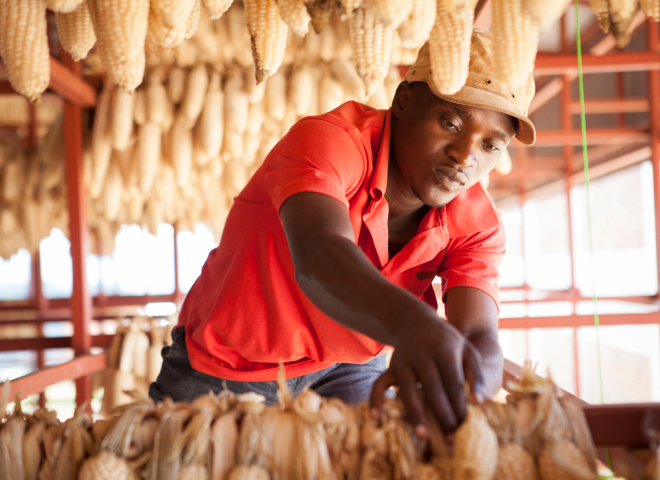
In the Philippines, where I am currently based, entrepreneurs use micro-loans to invest in many types of businesses, including Sari-sari Stores (translates to "Thing Stores"—basically convenience stores), “Carenderias” (small restaurants with prepared food), fruit and vegetable stands and stalls (selling products such as mangos or coconut juice), motorized tricycles and other "transport sector" businesses, and farms and agricultural related businesses are just a few of many examples.
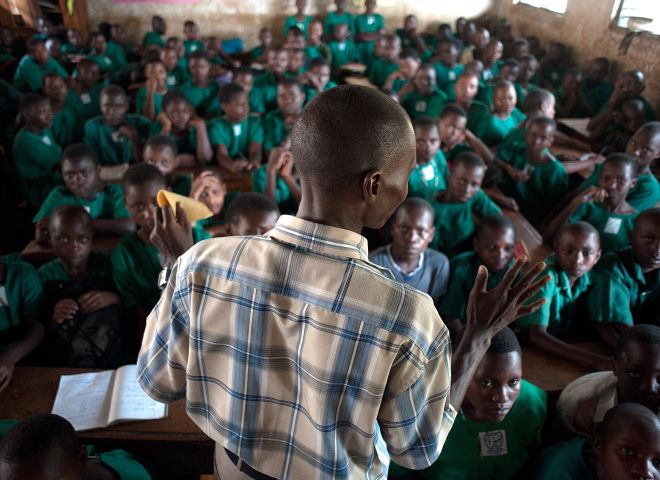
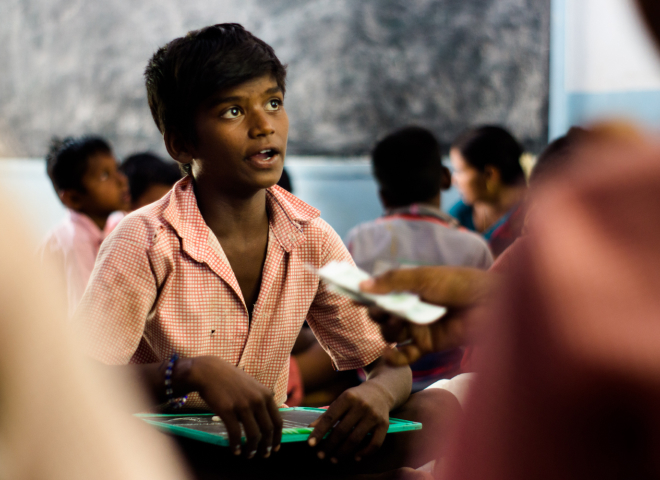
It may also surprise some to learn that mico-loans aren't just for business use; recipients use them for household consumption and investment as well (however, some specific microfinance products are more tailored towards small businesses others towards consumer lending). For instance, many use micro-loans to pay for their child's school fees, to install a new roof on their house, to repair the motorcycle that they use to get to work, for food purchases in hard times (what economists refer to as "consumption smoothing") and many other uses. IPA researchers Dean Karlan and Jonathan Zinman studied the impact of consumer credit on low-income borrowers in South Africa. Using a randomized controlled experiment, they found that expanding credit access had a positive effect on many measures of well-being, including income and employment (you can check out the full paper here).